Living in Galveston: What a Day on the Island Feels Like
June 18, 2026
June 18, 2026
Ever wonder what it actually feels like to live in Galveston full time, not just visit for a weekend? Island life here is more grounded and more layered than many people expect, with beach access, historic streets, everyday errands, work commutes, and community events all blending into one routine. If you are curious about what locals really experience from morning to night, this guide will walk you through the rhythm of an ordinary day on the island. Let’s dive in.
One of the defining parts of Galveston life is how near the shoreline feels to everything else. The city describes residents as never being more than a few blocks from the beach, and that shapes the tone of the day from the start. Even a simple coffee run or morning errand can come with salt air, palm trees, and a quick look at the Gulf.
For many locals, mornings begin at a neighborhood coffee spot that fits their side of the island. You might head to MOD Coffeehouse in the Postoffice District, Red Light Coffee Roasters downtown, Seawall Coffee Company near the beachfront, or Sugar Bean Coffee & Cream near Evia on the West End. That spread says a lot about Galveston itself, because island routines are not centered in one single corridor.
Downtown Galveston and the Postoffice District give the island a distinctly local urban feel. This area is known for historic architecture, locally owned restaurants, boutiques, art galleries, and performance venues, so a morning here can include a walk, a stop for coffee, and a few errands without much need to rush. It feels active and lived-in, not just seasonal.
If you live nearby, the day might begin on foot instead of in traffic. That is part of the appeal for people who want a home base with character and a little more street life around them. The Victorian feel of the Postoffice District adds even more charm to those early hours.
A day in Galveston can look very different depending on where you live. The East End, which is the island’s first residential neighborhood and sits next to downtown, connects more naturally to historic streets, established homes, and major employers like the University of Texas Medical Branch. That side of the island can feel closer to work, healthcare, and the civic heart of the city.
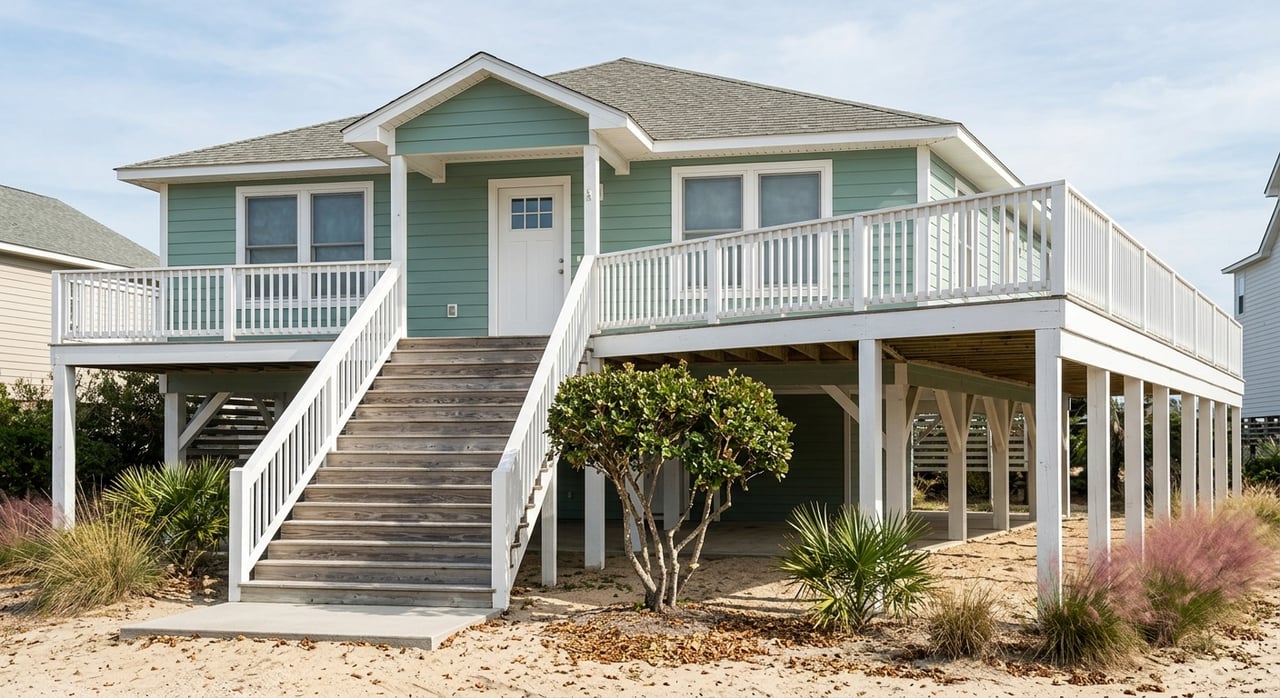
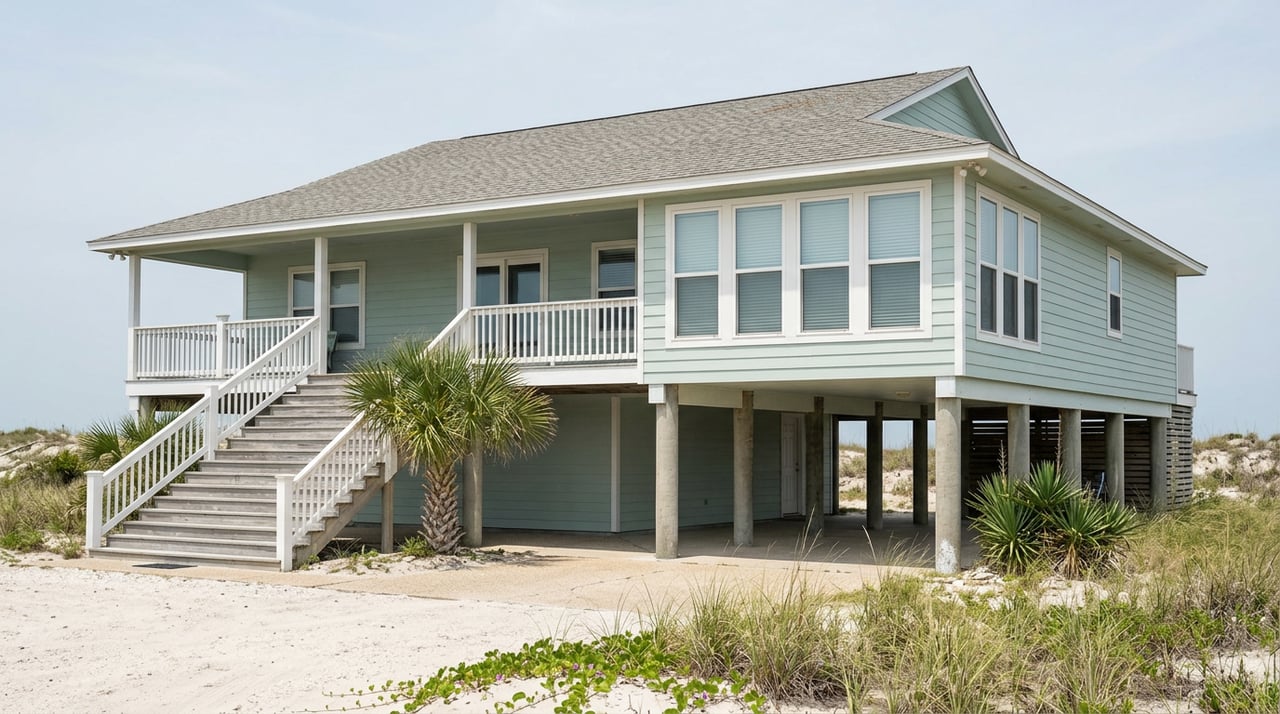
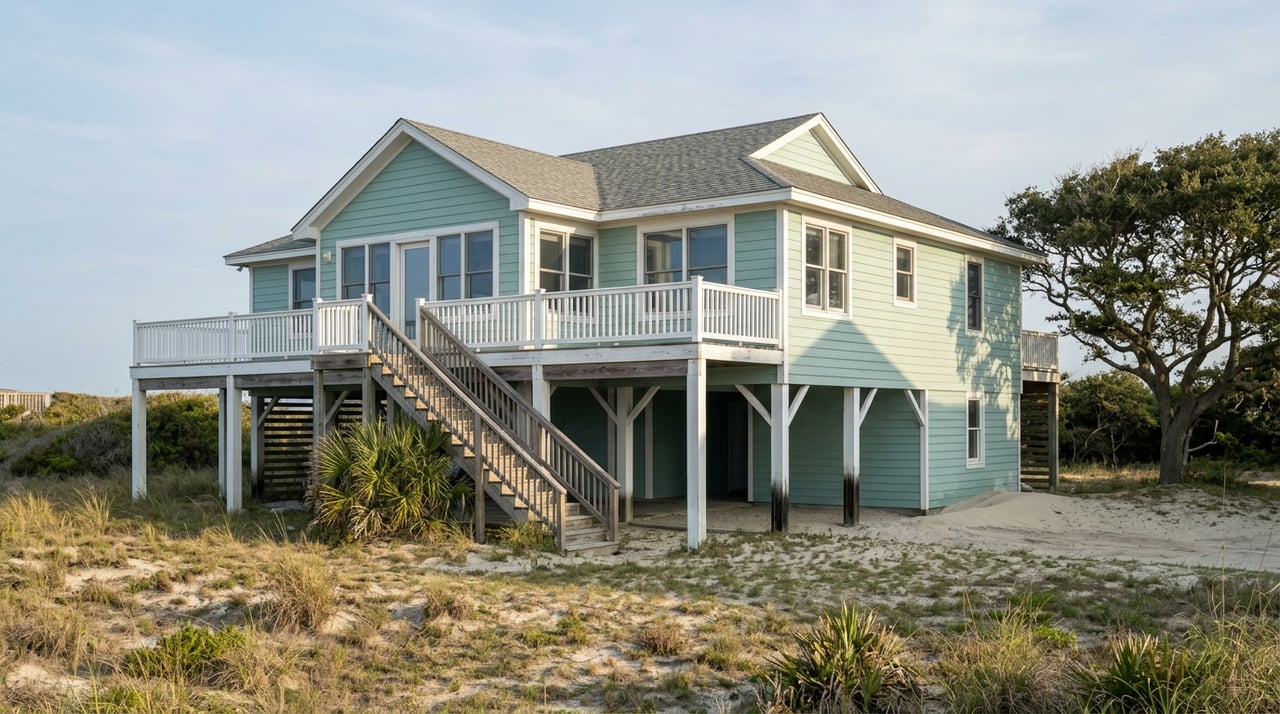
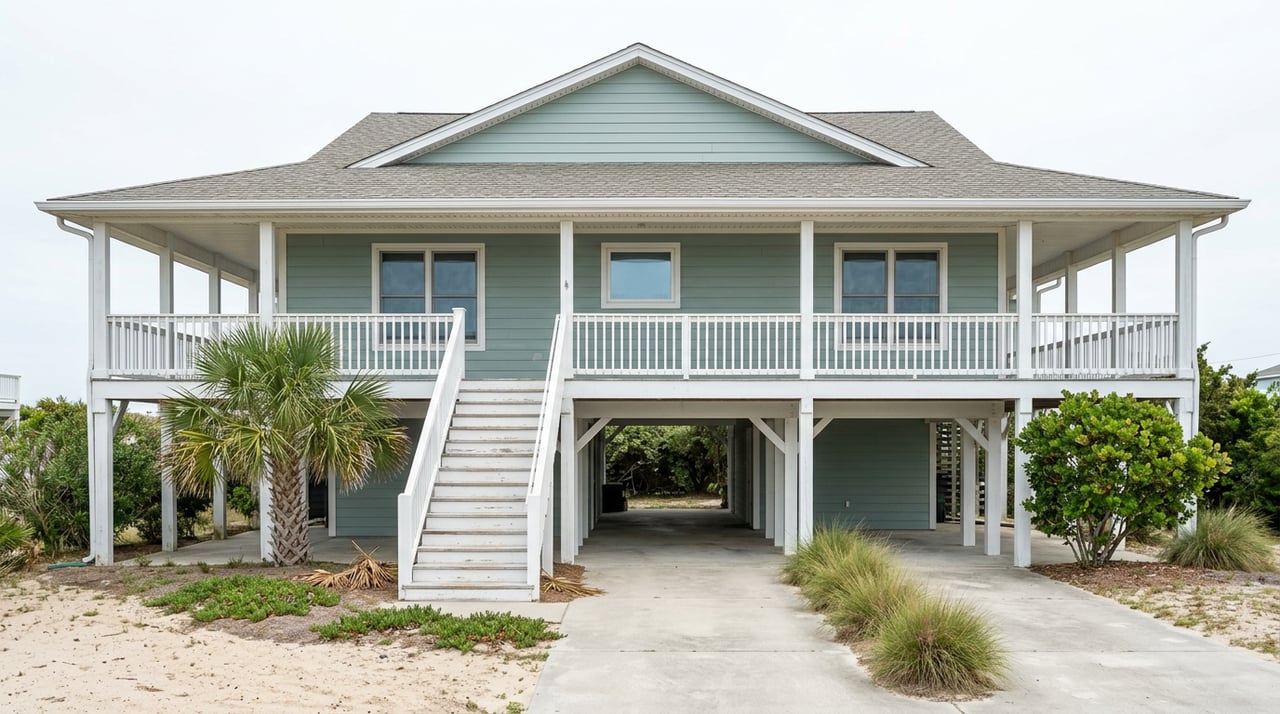
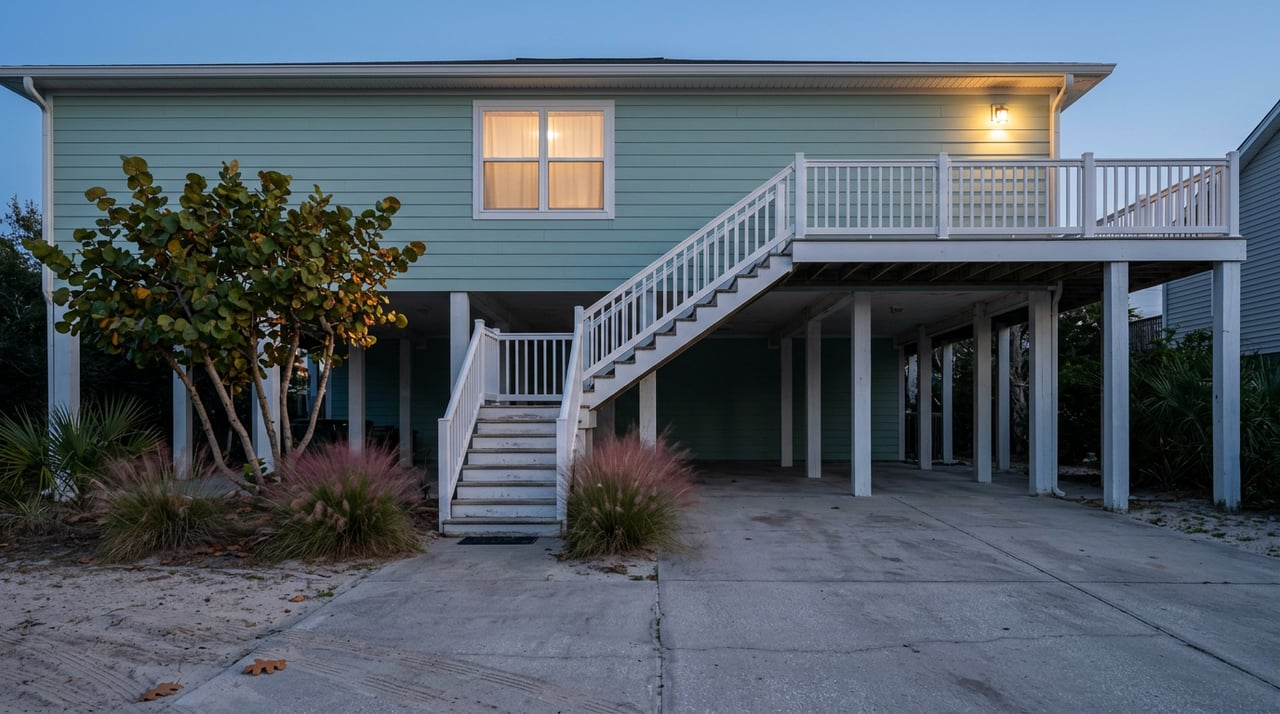
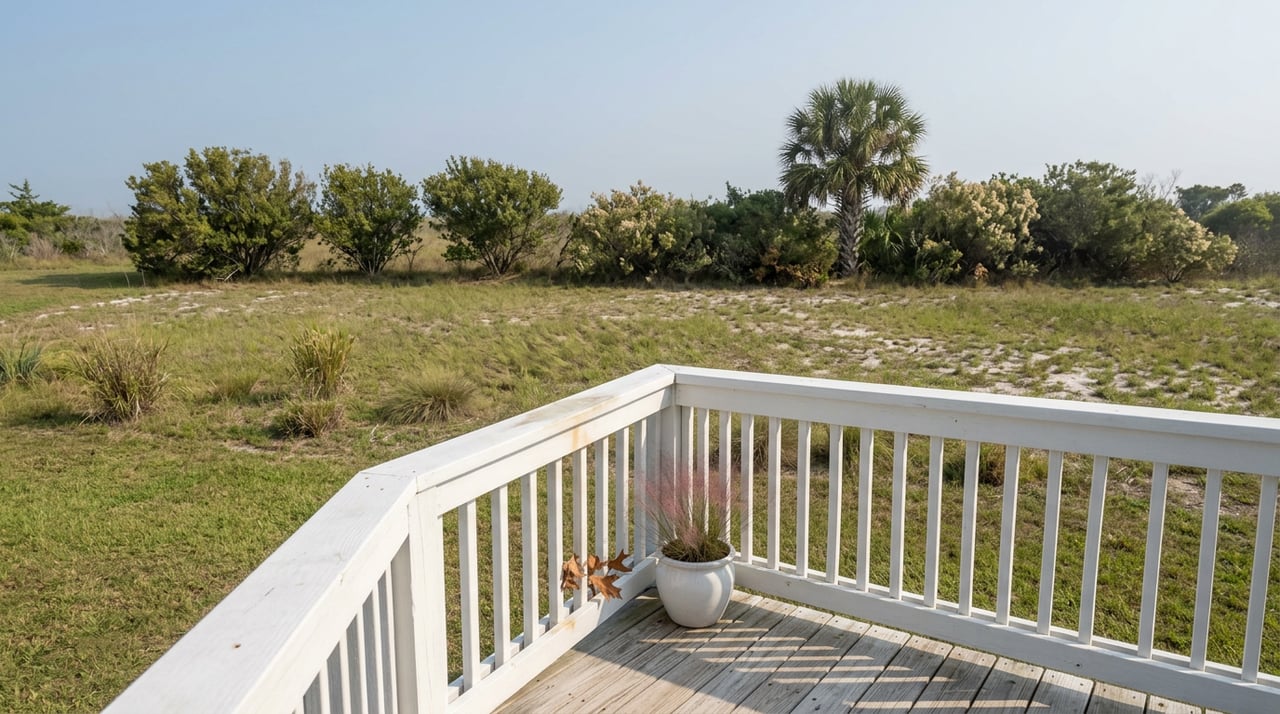
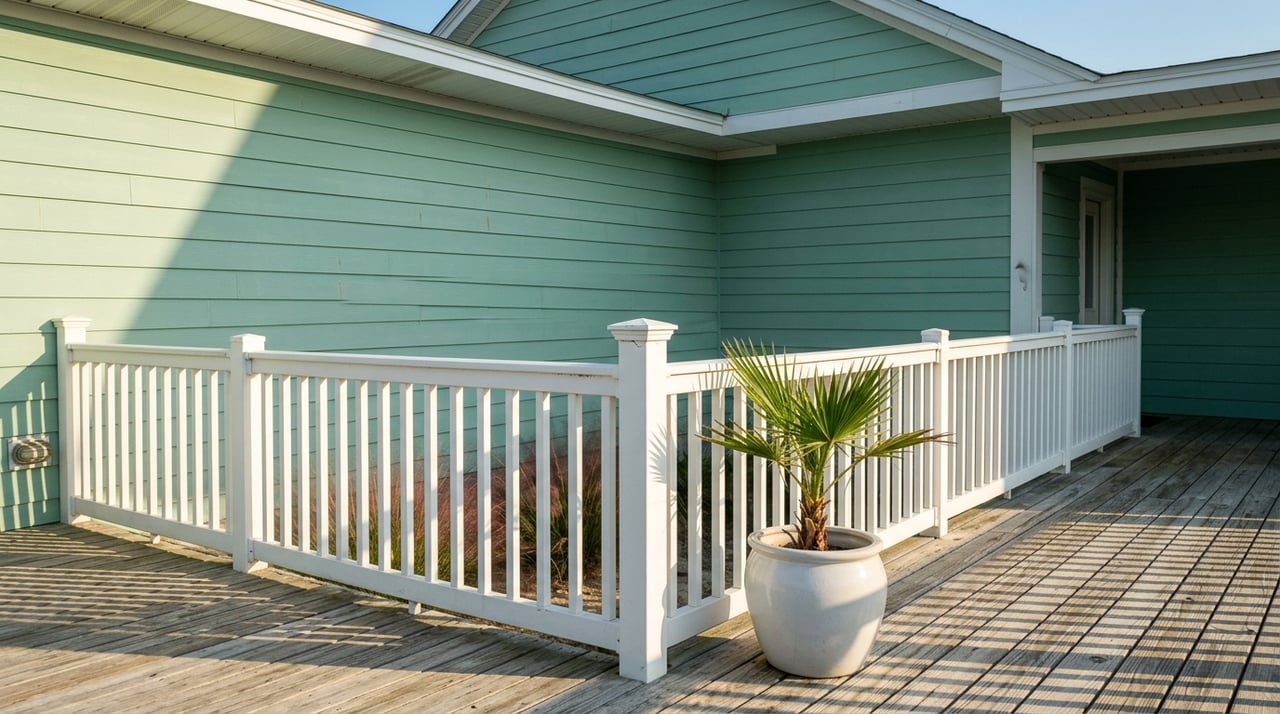
The West End offers a quieter pace and a more nature-oriented setting. It is often where people picture decks, open sky, beach access, and a little more room to breathe. For locals there, mornings may feel less like a quick walk to downtown and more like coffee before a drive past dunes, canals, or wide residential streets.
Galveston is not only a visitor destination. The city says its economy is centered on education and healthcare, maritime activity, and tourism and hospitality, which creates a mix of work schedules and lifestyles across the island. That means your neighbors may include retirees, healthcare professionals, hospitality workers, maritime employees, families, and remote workers sharing the same coastal backdrop.
That variety shows up in the city’s population too. Galveston has an estimated 53,538 residents and 25,198 households, with 20.9% of residents age 65 and older and 14.7% under age 18. In everyday terms, that gives the island a broad mix of life stages instead of one dominant resident profile.
Some locals drive most places, but not everyone has to. Island Transit has served Galveston for more than 40 years and covers about 25 square miles, with fixed bus routes and downtown and Seawall trolley service. Routes connect areas such as Broadway, downtown, UTMB, Midtown, the East End, 61st Street, and the Seawall.
That makes it realistic for residents to use transit for parts of the day, especially in the central and eastern parts of the island. It also reinforces that Galveston is a working city with daily infrastructure, not just a beach backdrop. If you are considering a move, that practical layer matters as much as the view.
Galveston Island has 32 miles of beaches, and locals do not always save them for special occasions. A quick walk by the water, a few hours on the sand, or a sunset stop after work can be part of a normal week. Living here means the beach becomes part of your routine, not just your vacation plans.
That said, local life also includes the practical side of access. The city notes that some beach areas, including East Beach, Stewart Beach, Pocket Park 1, Pocket Park 3 at 11-Mile Road, and Seawall Beach Urban Park, have city-managed beach user or parking fees. Locals learn which access points fit their day, their neighborhood, and their parking preferences.
The Seawall is one of the most recognizable parts of Galveston, but it does not feel the same from end to end. Central stretches are lined with restaurants, bars, souvenir shops, and family-friendly attractions, so that part of the day can feel lively and busy. It is where the island’s visitor energy is most visible.
Farther west, the pace softens. The West Seawall is known for offering more elbow room and a slower rhythm, which often feels more in step with daily resident life. If you picture evening walks, a casual meal, or a quieter beachfront drive, that side of the island helps tell the full story.
Because the weather stays relatively warm through much of the year, a lot of local life naturally happens outside. NOAA monthly normals for Galveston Scholes Field show an annual mean temperature of 72.3 degrees, with July averaging 85.5 degrees and August 85.9 degrees. January is much milder, with a mean temperature around 56.0 degrees.
That climate supports a lifestyle built around patios, decks, walks, and park time. Summer can be hot and humid, so locals tend to plan around it with earlier outings, shaded breaks, or later beach time. Mild winters help keep outdoor routines going when many other places slow down.
If you want a snapshot of local life that feels less touristy and more everyday, Menard Park is a good example. It includes an outdoor fitness court, playground, splash pad, dog park, tennis courts, a community garden, and a skatepark, and it is open from sunrise to sunset. That gives residents a practical place to spend after-school hours, exercise, or catch up with neighbors.
This kind of space matters when you are thinking beyond a weekend stay. It shows how island living supports regular routines, not just scenic moments. For many people, those are the details that make a place feel livable year-round.
Galveston has more than 80 year-round festivals, special events, sporting events, and attractions, and the city says it welcomes more than 7 million visitors annually. Even so, local life is not all big crowds and packed calendars. Often, it is the recurring community events that shape the feel of an average month.
Galveston’s Own Farmers Market is one example of that neighborhood rhythm. With local produce, prepared foods, handmade goods, live music, and family activities, it gives residents a regular way to gather that feels casual and connected. It adds to the sense that community life here happens in public and outdoors.
For locals who enjoy arts and culture, Galveston offers a steady stream of options. The island’s arts scene includes museums, galleries, performance venues, murals, and historical sites, and downtown’s monthly ArtWalk brings galleries, shops, and restaurants together on the second Saturday of each month. That gives evenings a built-in sense of possibility.
Downtown also hosts recurring events such as Mardi Gras! Galveston, Dickens on The Strand, Lone Star Rally, and Island Oktoberfest. Even if you do not attend every event, you feel their presence in the city’s energy and seasonal rhythm. It is one reason the island can feel eventful year-round.
Living in Galveston also means living in a place with a strong sense of history. The island is the birthplace of Juneteenth, and that story is present year-round through historic sites, public art, landmarks, and annual celebrations. For residents, that adds civic meaning to everyday surroundings.
This depth of place is part of what makes Galveston different from a typical coastal market. You are not just near the water. You are part of a city with layered history, established neighborhoods, and a daily life shaped by both local tradition and steady change.
As relaxed as island life can feel, locals also plan around practical realities. Parking varies by district, with hourly or annual paid parking downtown and on the Seawall, and some residential areas require registration for free permits and visitor passes. Over time, residents learn which areas are easiest for quick stops, longer outings, or hosting guests.
Seasonal weather planning is part of life here too. NOAA says the Atlantic hurricane season runs from June 1 through November 30, and the city maintains hurricane preparedness resources for residents. That awareness is simply part of living on the island, much like learning traffic patterns or the best time for a beach walk.
At its core, Galveston local life is a blend of shoreline ease and everyday practicality. You can start the morning with coffee in a historic district, spend the afternoon at a park or by the water, and end the day with a community event, a Seawall walk, or a quieter evening on the West End. The setting feels special, but the rhythm is still rooted in ordinary life.
That is often what draws people in. If you are thinking about buying, selling, or simply trying to picture where you would fit on the island, it helps to understand not just the homes but the pace, patterns, and personality of each area. For guidance grounded in real local experience, connect with Shani Atkinson.
Stay up to date on the latest real estate trends.

With deep island knowledge and a client-first mindset, Shani helps you navigate the Galveston market with confidence—delivering clarity, communication, and exceptional outcomes.