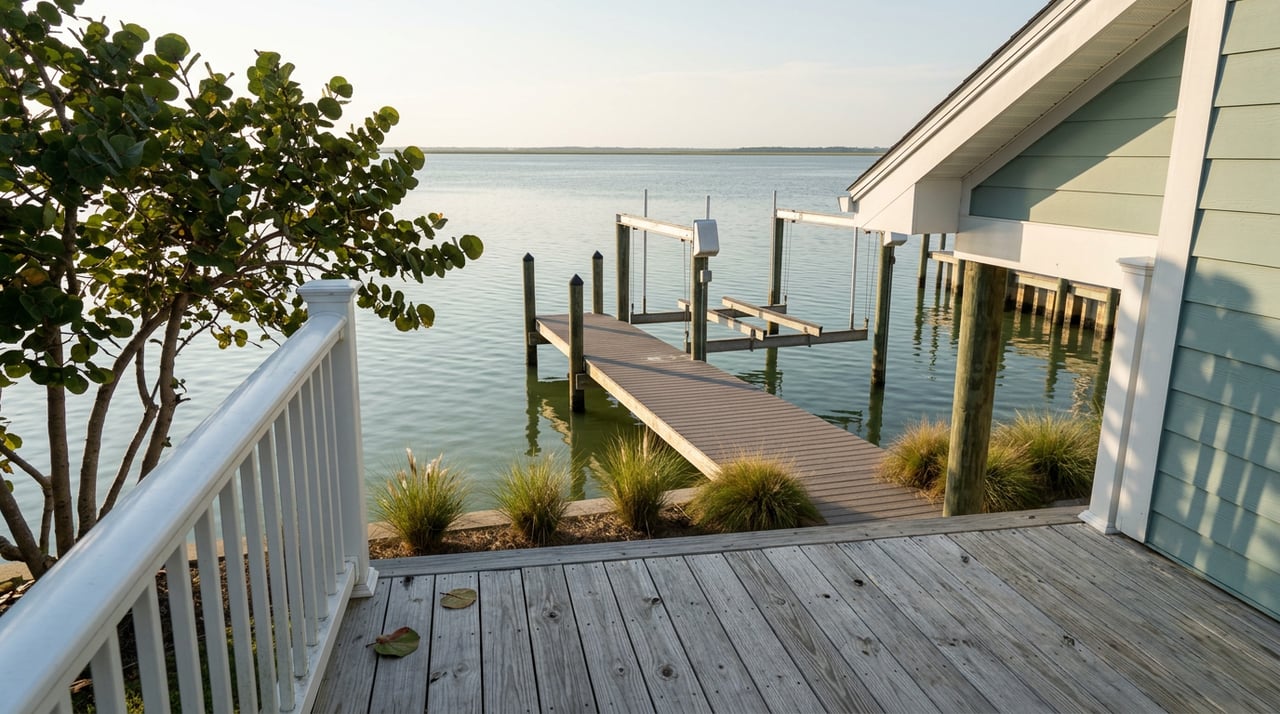
Fall Redfish Run Fishing in Jamaica Beach: Where It Hits
September 10, 2026
September 10, 2026
Why does the parking area at San Luis Pass start filling with rod holders and coolers the same week every September, while the rest of West Bay stays quiet for another month?
It is not luck, and it is not a secret spot passed between guides. It is geography. Jamaica Beach sits almost on top of one of only two real bottlenecks on this end of the island, and every fall the redfish that spend summer scattered across Galveston Bay, West Bay, East Bay, and Trinity Bay have to funnel through one of two doors to reach the Gulf: Galveston's main pass at the ship channel, or San Luis Pass, a few minutes from most Jamaica Beach driveways. That is the whole story behind why this particular stretch of water gets loud with reels every fall while other parts of the bay system are still waiting on their turn.
Mature redfish, the big "bull reds" locals talk about, spend most of the year spread thin across the bay system. In the fall they gather into large schools and push toward the Gulf to spawn, and biologists and guides alike describe this as a genuine migration rather than a slow seasonal shift. That migration has to squeeze through a pass to get from bay water to Gulf water, and San Luis Pass is one of exactly two places on this end of Galveston Island where that happens. Anglers who fish it every year describe the same effect: fish stacking up in the pass itself as they wait to move through, which is a very different fishing experience than drifting open bay water hoping to intercept a school.
That timing lines up with where the calendar sits today. September itself is the month guides flag as the strongest stretch for redfish on this part of the coast, and the bull red run typically builds from mid-September and holds through mid to late October, so the next several weeks are when this bottleneck effect gets loudest. It is also the window guides point to when they talk about landing the "Texas Slam," meaning redfish, speckled trout, and flounder all biting well enough in the same trip that a single outing can produce all three. That triple window is tightest in early fall, which is exactly where the calendar sits right now.
Generic fishing advice says "West Bay is good in the fall." Locals fish specific water inside that generalization:
None of these require a 30 minute drive into Galveston proper. That is the actual advantage of living where Jamaica Beach sits: the run passes through your backyard instead of somebody else's.
Ask five guides where to buy bait for this run and you will get five answers, but the same handful of names keep coming up among people who actually fish this stretch every fall.
| Shop | Known for | General location |
|---|---|---|
| Baitdaddys Bait & Tackle | Live shrimp and croaker, regulars say the owner will tell you what's biting and where | Termini-San Luis Pass Road, on the way out to the pass |
| Adams Bait & Tackle | Long-running local stop | On Jamaica Beach itself |
| Sea Isle Bait Camp | Local go-to for bait runs before heading out on West Bay | Near Jamaica Beach |
| West Bay Bait & Tackle | Closer to the pass, useful for a last stop before fishing San Luis | Just southwest of Jamaica Beach |
| Rusty Hook | Last stop before the beach access point heading toward San Luis Pass | Near San Luis Pass |
The pattern worth noticing is that these shops cluster right along the route out to the pass, which tells you something the fishing forums confirm directly: locals don't drive back to Galveston for bait during this run. They buy it on the way out.
Here is the detail that separates someone who fishes this water every fall from someone who read a fishing guide once. The sandbars around San Luis Pass shift, and boaters who fish it regularly describe getting stuck on a normal or low tide as a genuine risk, not a scare tactic. The same underwater structure that concentrates baitfish and holds redfish in the pass is exactly what strands a boat that doesn't respect the tide. Local boaters talk about hugging specific shorelines and grass lines rather than running a straight line through the middle of the pass, because the middle is where the sandbars sit. If you're taking a boat out for this run rather than fishing from the bank or the state park, that is worth knowing before you go, not after you're aground.
The mid-September through late-October window is not a marketing line. It shows up consistently across guide reports and regional fishing coverage as the period when the bull red run pushes fish through Galveston-area passes, and September specifically gets singled out as the strongest month to target reds here. That means the version of this story worth paying attention to is the one about to unfold on your own stretch of water, not a generic "fall is great for fishing on the Gulf Coast" post that could describe any beach town from here to Corpus Christi. Before keeping any bull reds during the run, it's worth checking the current red drum rules in the Texas Parks and Wildlife outdoor annual, since retention limits and tagging requirements can carry specific conditions for oversized fish.
We wrote a while back about how the entire everyday food scene in Jamaica Beach fits inside a quarter mile of one road, and the fishing works the same way. The reason this town punches above its size for fall fishing isn't hype. It's the same reason the bait shops all sit along one road out to the pass: geography did the work, and the people who live here just showed up for it.
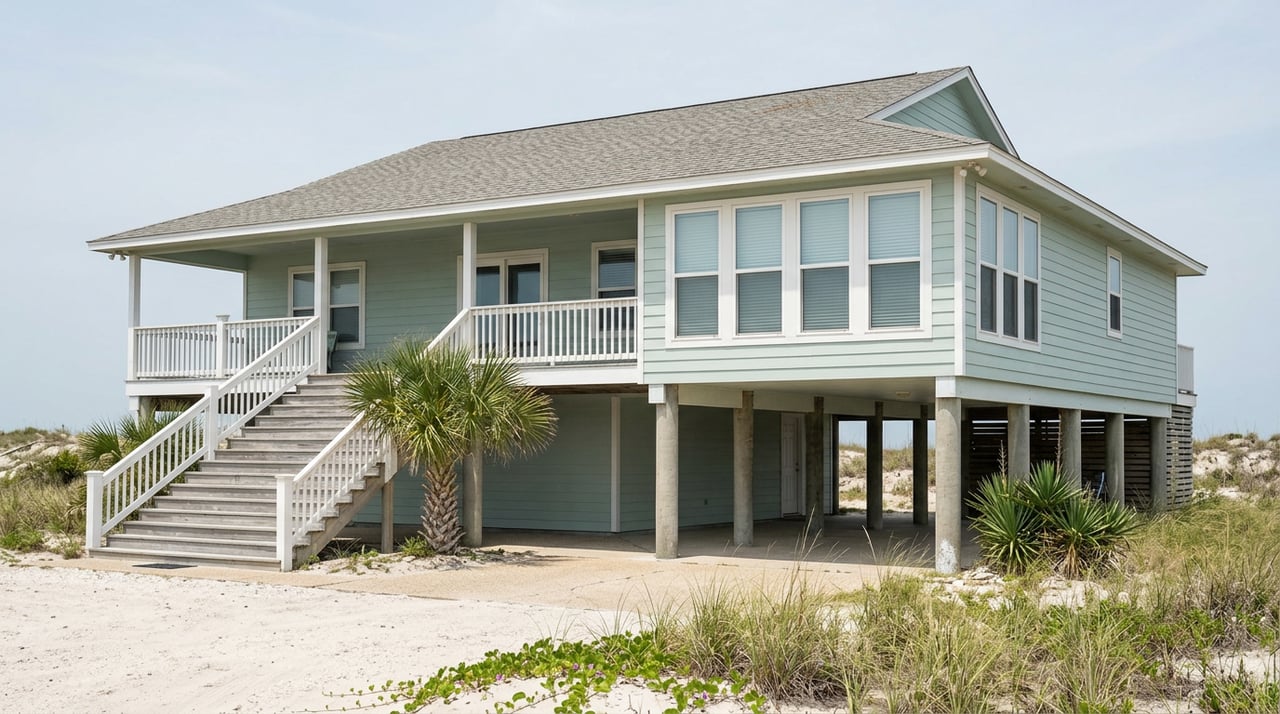
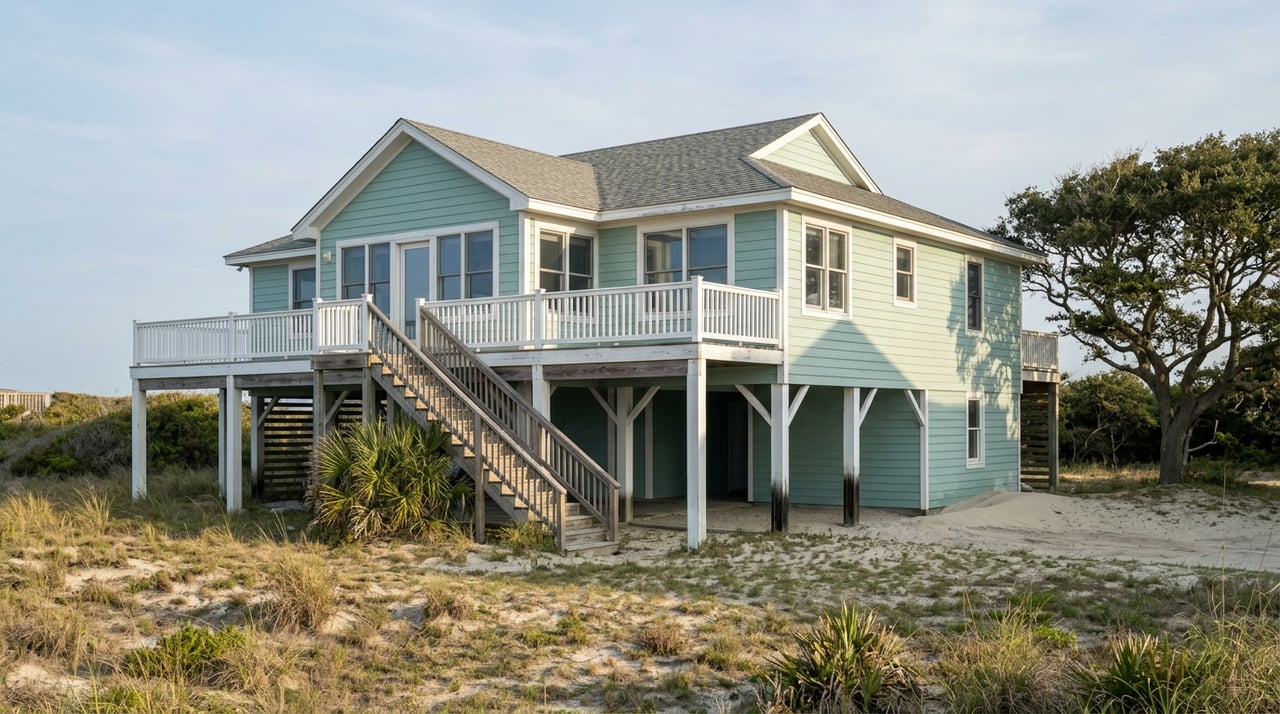
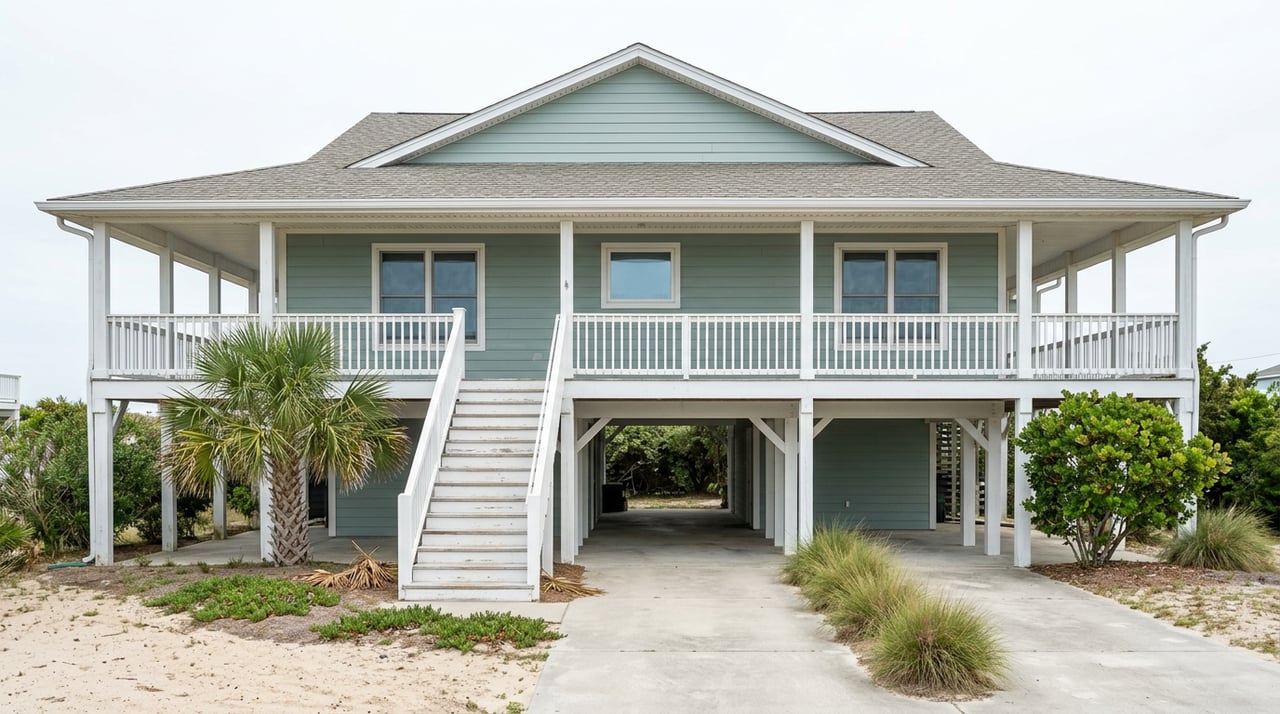
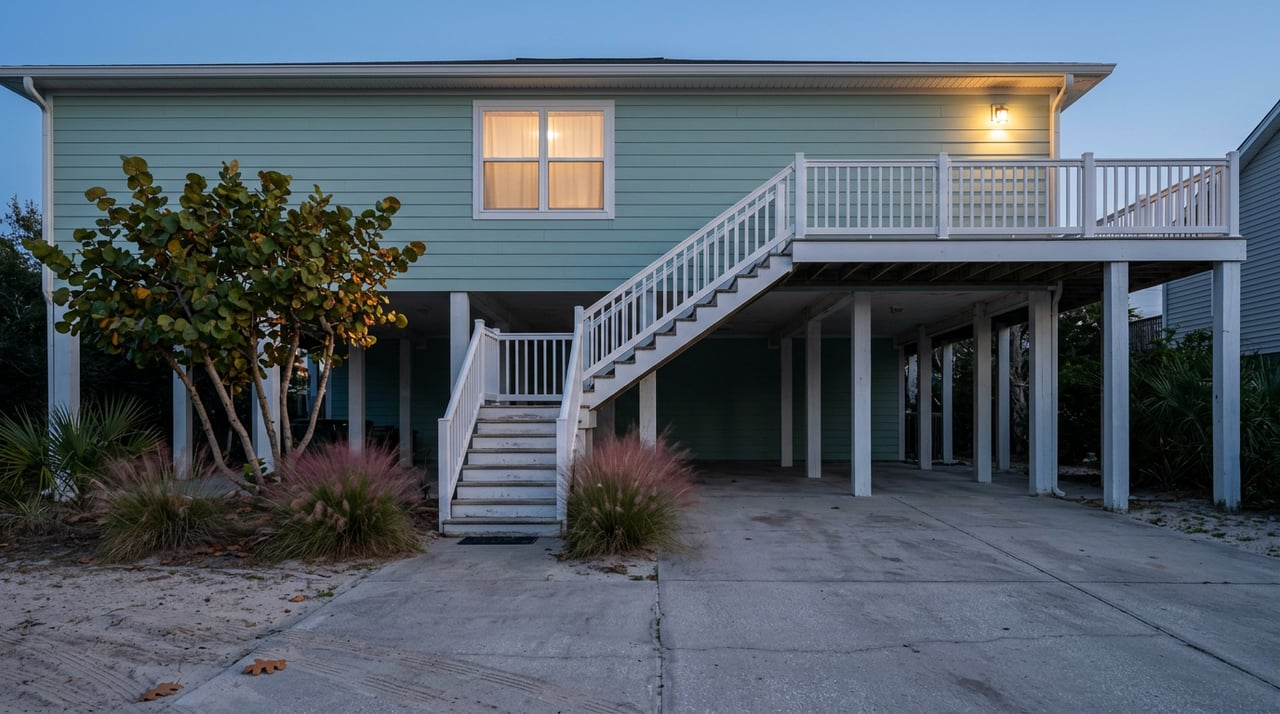
If you're weighing whether a stretch of the island with this kind of access to San Luis Pass and West Bay fits how you actually want to spend your weekends, our Jamaica Beach neighborhood page walks through what's for sale right now along this same water. Discover island living, contact Shani Atkinson to start your search.
This article is general information, not legal, tax or financial advice. Consult a qualified professional about your situation.
Stay up to date on the latest real estate trends.
With deep island knowledge and a client-first mindset, Shani helps you navigate the Galveston market with confidence—delivering clarity, communication, and exceptional outcomes.