Historic Homes in Galveston vs New Builds: What Fits?
July 2, 2026
July 2, 2026
Choosing between a historic home and a new build in Galveston is not just about age. It is about how you want to live, what kind of upkeep you can handle, and how comfortable you are with coastal rules, permits, and insurance. If you are torn between porch-filled character near the historic core and an elevated beach house on the West End, this guide will help you weigh the tradeoffs clearly. Let’s dive in.
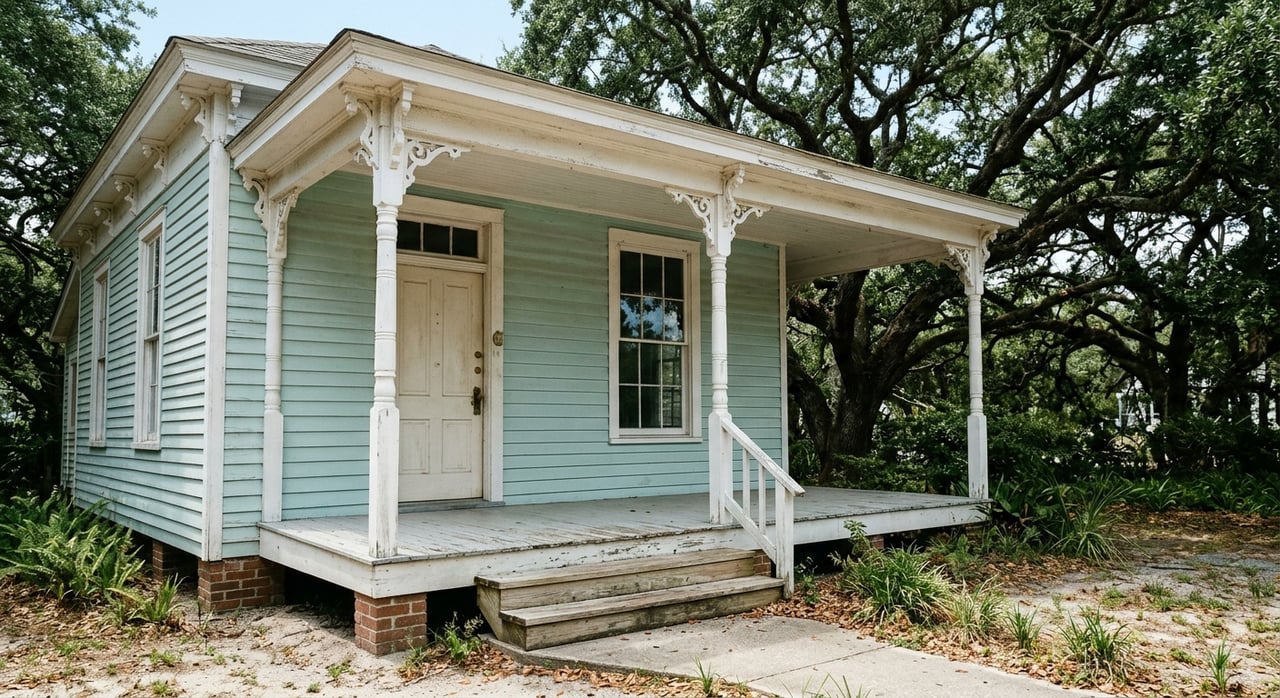
In Galveston, “historic” has a specific meaning. Much of the island’s historic housing is concentrated in locally designated districts such as the East End, Silk Stocking, and Lost Bayou, while the Strand/Mechanic district reflects Galveston’s commercial 19th-century heritage.
These areas are known for more than older architecture. The city describes the East End and Lost Bayou as having tight grids and alley patterns, while Silk Stocking developed as a dense residential area with larger single-family homes. For you as a buyer, that often means more architectural individuality, varied floor plans, and a more urban street layout than you may find in newer construction.
A historic home can offer details that are hard to recreate. You may find original design elements, a strong sense of place, and a home that feels woven into Galveston’s story.
That charm usually comes with responsibility. Buying in a historic district often means living within an active preservation system, not simply buying an older house with personality.
The City of Galveston says the Landmark Commission reviews new construction, rehabilitation, restoration, and demolition in historic districts. Changes to historic structures or structures within a historic district must follow the city’s Design Standards for Historic Properties.
That matters if you are planning updates after closing. Exterior work, restoration choices, and even some improvement plans may need to meet specific standards, so it is smart to understand that review process before you make an offer.
There can be financial benefits if a property qualifies and the work complies with city standards. Galveston’s historic-property incentive program includes:
These incentives can make a meaningful difference, but they are tied to compliance. If you are drawn to restoration and long-term stewardship, that may be part of the appeal.
If historic Galveston feels close-in and preservation-focused, the West End offers a different experience. The area is known for expansive shorelines, conservation areas, beach access, and a slower coastal pace.
The tourism board describes the West End as a place for serene landscapes, untouched wildlife, and more space. For many buyers, that lifestyle shapes the new-build decision just as much as the house itself.
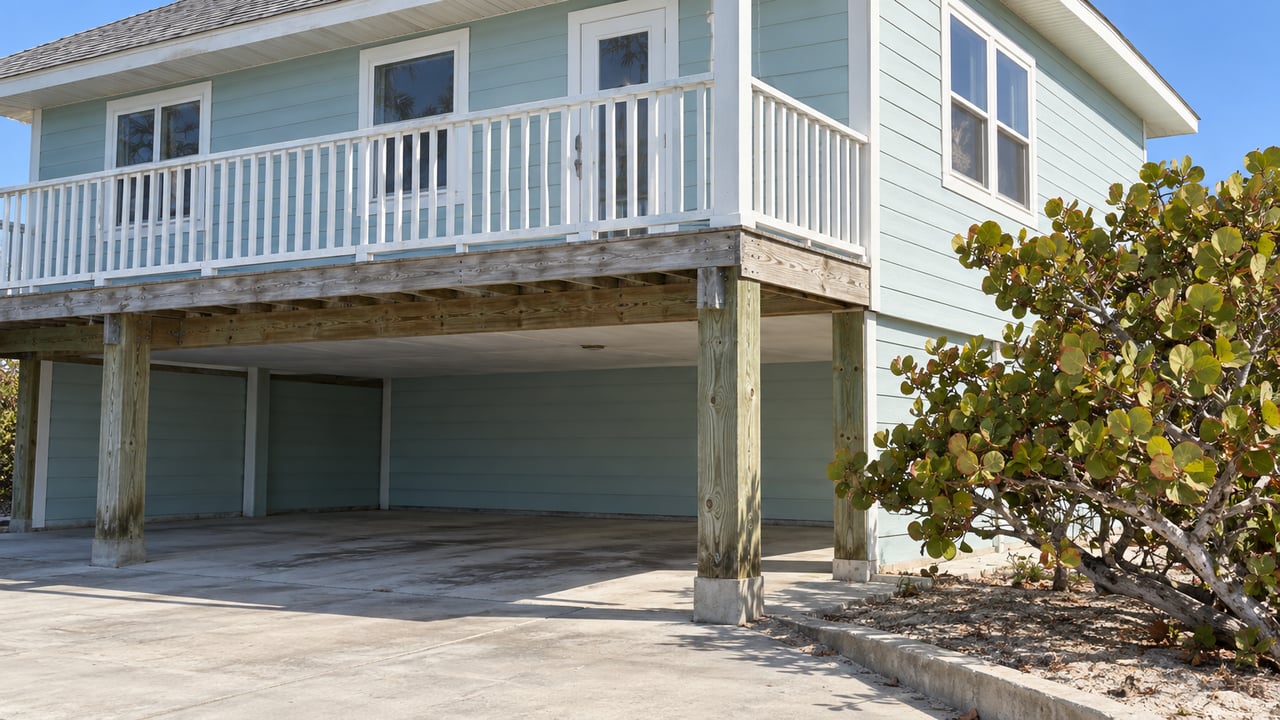
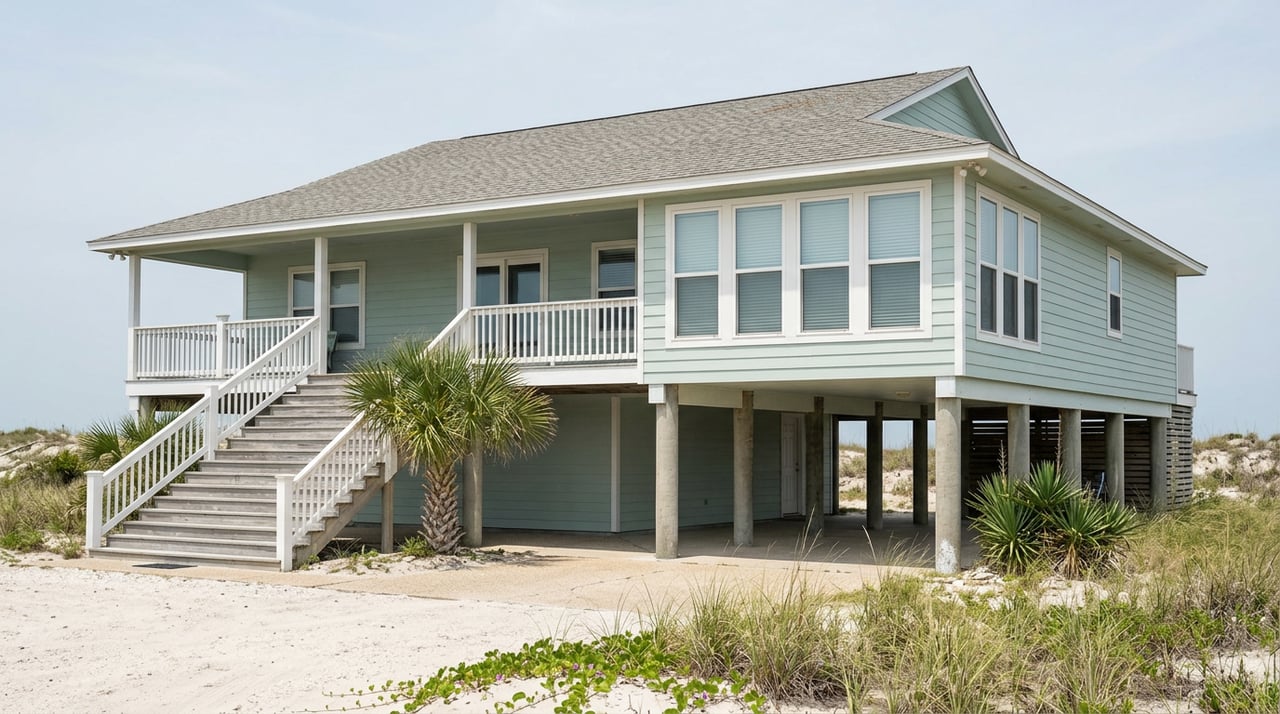
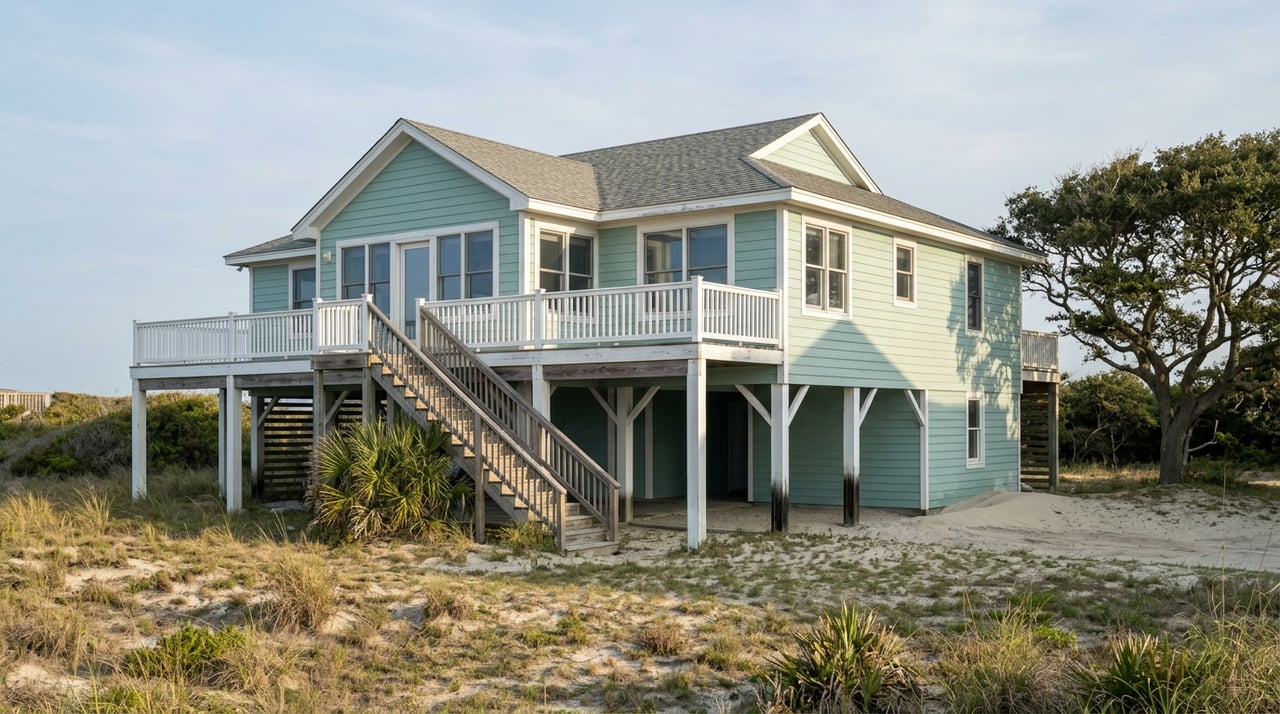
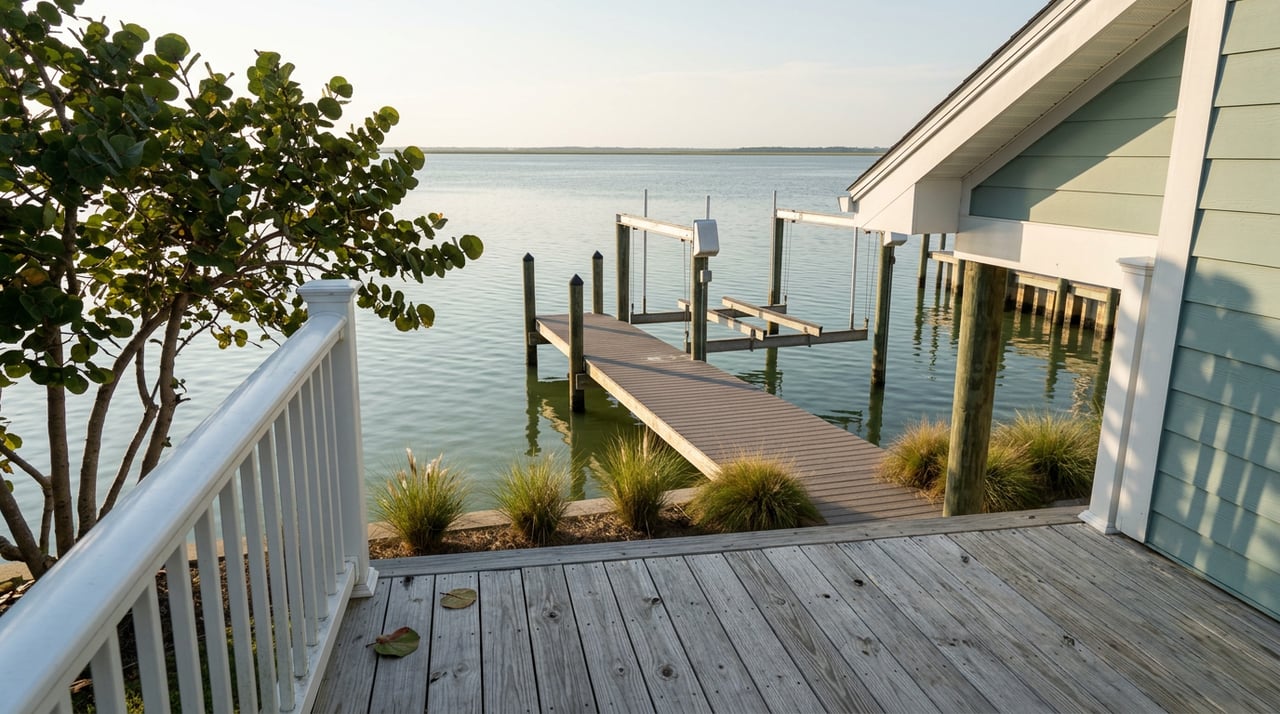
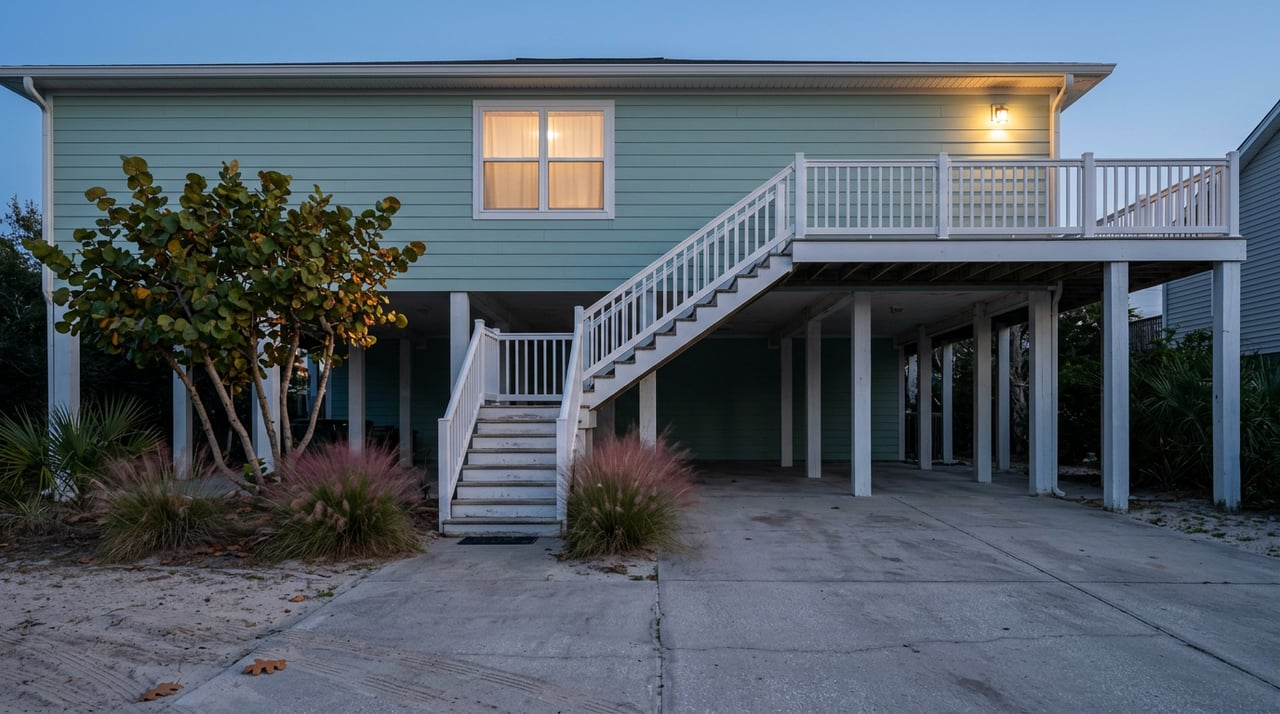
A newer West End home often appeals to buyers who want a beach-and-nature-centered setting. You may be prioritizing deck time, water access, breezier floor plans, or a property designed around today’s coastal building realities.
New construction also tends to reflect current floodplain and windstorm standards from the start. That does not remove every coastal challenge, but it can reduce some of the unknowns that come with older systems and past construction methods.
The City of Galveston requires permits for new single-family houses. It also requires a TDI WPI-8 certificate upon completion of all new construction.
If a home is within 1,000 feet of the mean high tide line of the Gulf, construction activities also require a Beachfront Construction Certificate or Dune Protection Permit. These are important details if you are building, buying recently built property, or thinking ahead about future improvements.
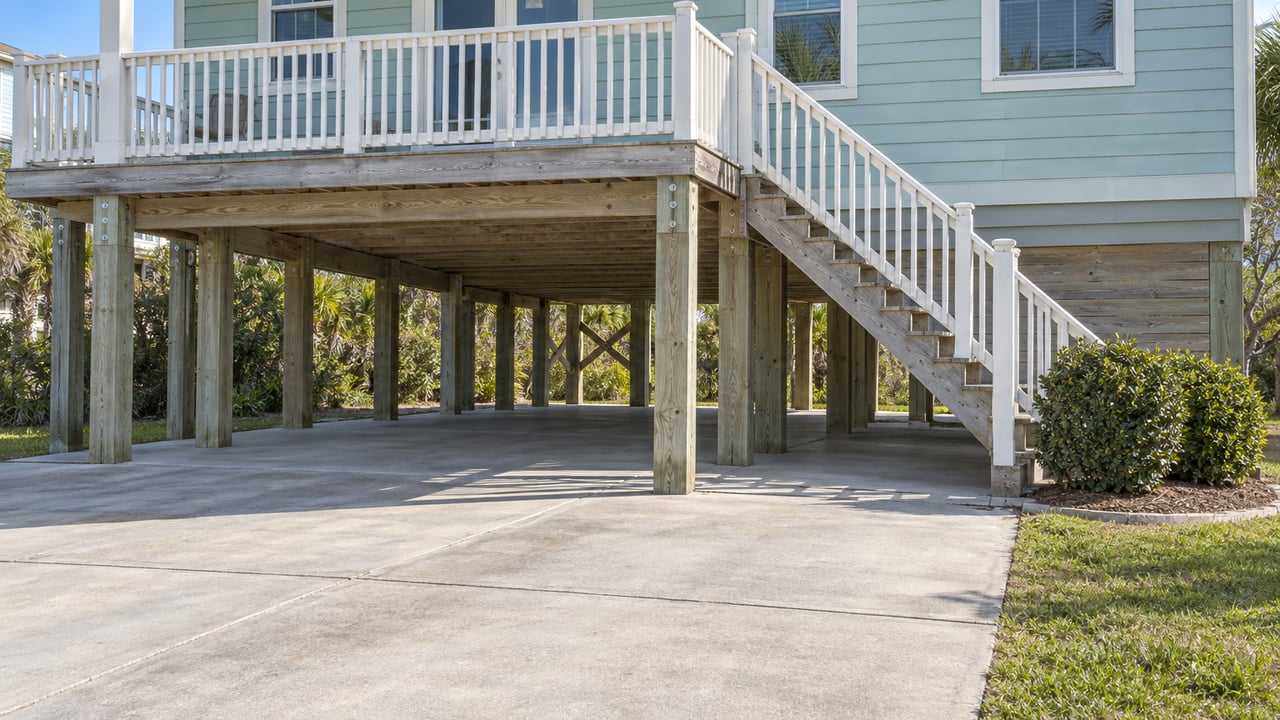
Floodplain standards shape how coastal homes are built. Galveston County guidance says no habitable area is allowed below the base flood elevation in A-zones, and in V-zones the lowest supporting member must be at or above the base flood elevation.
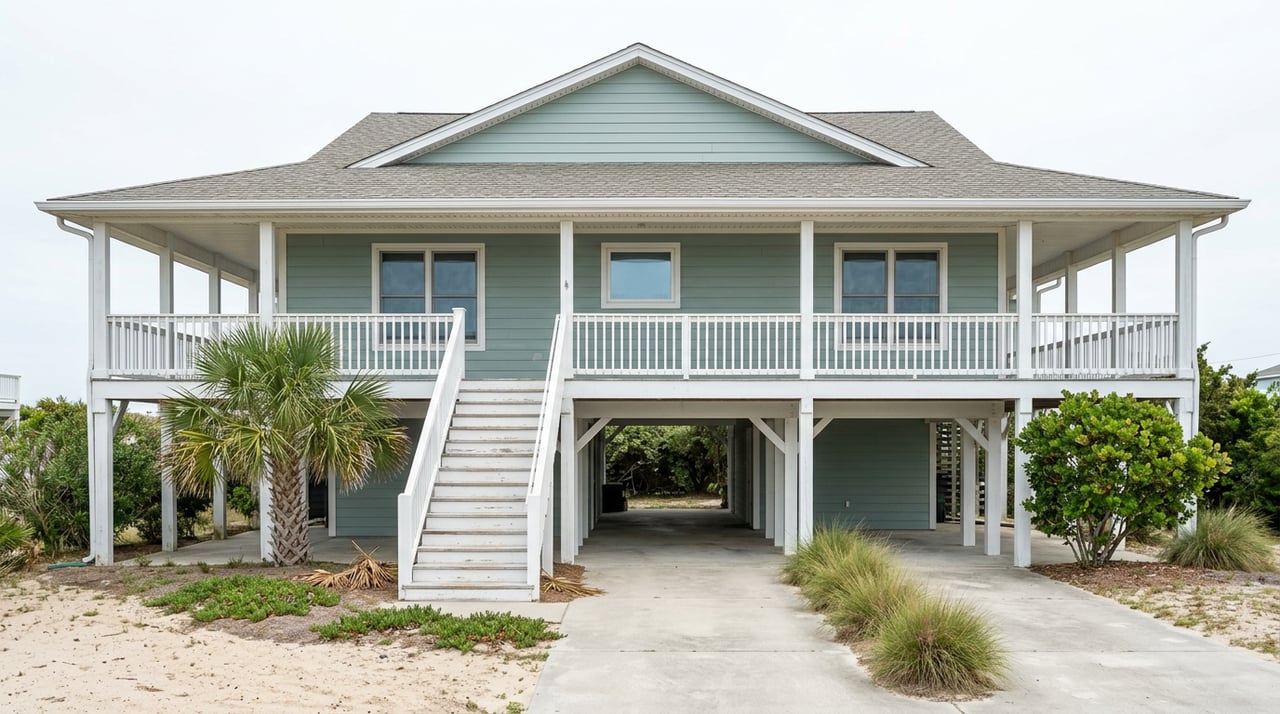
In everyday terms, this is one reason many newer coastal homes sit up on pilings or elevated foundations. That design may feel very different from a historic in-town house, but it reflects the realities of building for flood exposure on the coast.
Every Galveston home needs care, but the type of care can look very different depending on what you buy.
Historic homes often need more system-by-system attention. Galveston’s own incentive program highlights roof, foundation, siding, electrical, plumbing, and HVAC work as life-extending rehabilitation, which gives you a practical clue about the areas older homes may need most.
With a historic property, you may need to budget for restoration and regular upkeep over time. That does not mean every home is a project, but it does mean you should look carefully at big-ticket systems and understand what has been updated already.
The city also notes that some energy-efficiency improvements, such as insulation, radiant barriers, rainwater harvesting, and renewable energy, may be possible if historic integrity is preserved. So even in an older home, there may be room to improve efficiency if the work fits local standards.
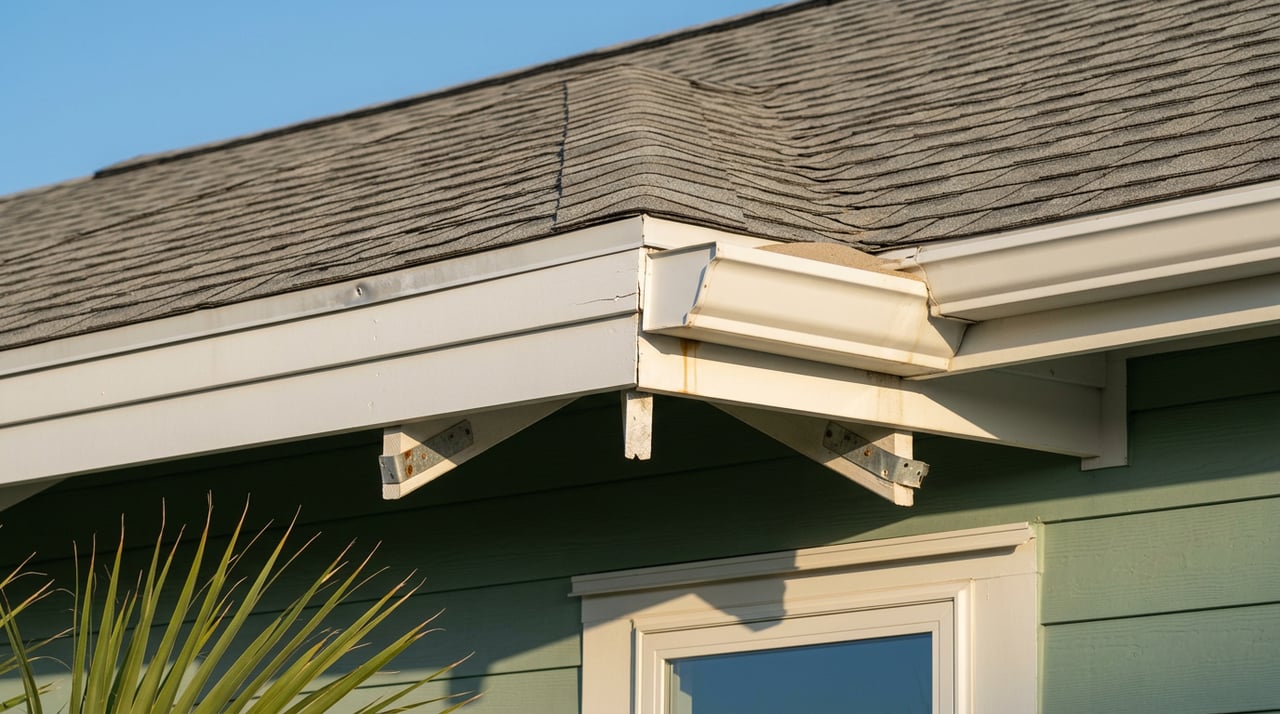
A newer build may reduce some legacy repair surprises, but it is still a coastal property. Salt air, wind exposure, and moisture are part of island ownership no matter when the home was built.
That is why the choice is not as simple as “historic means maintenance, new means easy.” In Galveston, both paths require realistic planning. The difference is usually whether you are taking on older systems and preservation review, or newer coastal construction with its own insurance and environmental considerations.
One of the smartest things you can do in Galveston is verify a property’s paper trail before you buy. The city says property owners are responsible for outstanding compliance issues on the property, even if they did not create them.
That means a problem can become yours after closing. Doing your due diligence up front can save time, stress, and unexpected expense.
If you are considering a historic property, review:
The City of Galveston also says it does not enforce deed restrictions. So if restrictions exist in the deed records, you need to understand them independently rather than assume the city will flag them for you.
If you are considering a new build or newer home, ask for:
These documents help you understand how the home fits local coastal requirements and can also affect insurance eligibility and future resale.
In Galveston, insurance deserves its own conversation. The city says Galveston participates in the National Flood Insurance Program, that standard homeowners insurance does not cover flood damage, and that new flood policies have a 30-day waiting period.
That timing matters if you are trying to line up coverage before closing. It also means flood insurance should be part of your planning early, not after the fact.
The Texas Department of Insurance says coastal homeowners often need a separate windstorm policy because homeowners insurance may not cover wind and hail along the coast. Lender requirements can make wind coverage a practical necessity.
TWIA is often part of that conversation, but TWIA says it provides wind and hail coverage only, not flood or fire. It also states that applicants generally must be unable to obtain coverage in the private market, and properties must meet eligibility and certification requirements.
Some properties must carry flood insurance to be eligible for windstorm coverage through TWIA. That is one reason documents like elevation data and windstorm certification matter so much.
When you compare a historic home to a new build, insurance is not just a side note. It can influence your monthly costs, your closing timeline, and your comfort level with the property over the long run.
The right choice usually comes down to your lifestyle, your budget for upkeep, and how you want to spend your time on the island.
A historic Galveston home may be the better fit if you want architectural character, a closer-in setting, and you are comfortable with restoration, review, and ongoing maintenance. You may love the feeling of living in a home with its own story and a street pattern shaped by the island’s past.
A newer West End home may be the better fit if you want a setting centered more on beaches, nature, and outdoor living, along with a home built under current code and flood standards. You may be looking for elevated design, easier beach access, and less exposure to historic-district review for routine exterior changes.
Before you write an offer, compare these five items:
When those answers are clear, the decision becomes more practical and less emotional. That is often the key to buying confidently in Galveston.
Whether you are picturing a character-filled home near the historic core or a breezy coastal retreat on the West End, the best fit is the one that matches both your lifestyle and the realities of island ownership. If you want a local guide who can help you look beyond the photos and into the details that matter, Shani Atkinson can help you navigate the next step.
Stay up to date on the latest real estate trends.
With deep island knowledge and a client-first mindset, Shani helps you navigate the Galveston market with confidence—delivering clarity, communication, and exceptional outcomes.