Your Galveston Investment Property Guide Before You Buy
July 16, 2026
July 16, 2026
Thinking about buying investment property in Galveston? You are not alone. This island market offers real opportunity, but it also asks you to pay close attention to things many mainland buyers barely think about, like floodplain rules, windstorm compliance, zoning, and use approvals. If you want to invest with more confidence, this guide will walk you through what matters most in Galveston and how to evaluate a property with your eyes wide open. Let’s dive in.
Galveston has a mix of steady demand drivers that make it stand out. UTMB’s Galveston campus has more than 3,200 students and about 900 faculty, Texas A&M University at Galveston educates nearly 2,300 students annually, and the Port of Galveston says its cargo and cruise activity supports more than 6,000 direct jobs.
Tourism is another major part of the local economy. Visit Galveston says visitor spending reaches roughly $1.3 billion each year and supports about one in three island jobs. That kind of activity can create a wide range of housing demand tied to year-round work and island services.
For you as an investor, that means Galveston is not just a beach town. It is also a working island with education, healthcare, port, and tourism activity shaping housing demand in different parts of the market.
Galveston can be rewarding, but it is not a market where you want to make assumptions. The city notes that it is completely surrounded by water, and its flood guidance puts real emphasis on flood insurance, floodplain permitting, and storm-surge risk.
That changes how you should evaluate an investment. In Galveston, a strong-looking property on paper can become a very different deal once you account for flood exposure, insurance costs, permitting requirements, and whether the intended use is actually allowed on that parcel.
This is where local knowledge matters. You are not only buying square footage or a view. You are buying into a set of rules, physical risks, and place-based advantages that need to work together.
Single-family homes are often the most straightforward place to start. The city zoning map includes single-family residential districts such as R-0 and R-1, which can make this a simpler path for long-term rental investors.
That said, simpler does not mean automatic. You still need to confirm the parcel’s zoning, any overlays, floodplain status, and whether historic-district controls apply before you move forward.
If you want more than one unit, Galveston does offer paths for duplex and small multifamily investing. The city’s zoning layer identifies R-2 as Residential, Duplex - Eightplex and MF as Multifamily.
The key point is that use rights can vary by parcel and district. A duplex or small multifamily strategy may be viable, but you should confirm whether the use is permitted, limited, or specific under the city’s land development regulations before you underwrite the deal.
Galveston also has opportunities for buyers looking at mixed-use or small commercial holdings. The C district is intended to support retail, service, office uses, and housing options, while the CB district covers much of historic downtown and is intended for intensive mixed-use development.
If you are considering a storefront with an apartment above, a live-work setup, or another blended use, downtown and commercial corridors may be the most natural fit. Even then, you should verify occupancy, parking, and use-approval requirements early.
In Galveston, location does more than influence price. It can shape your rental demand, your insurance picture, and the complexity of your renovation or development plan.
Properties near UTMB, Texas A&M University at Galveston, and the port are some of the clearest candidates for year-round rental demand. Downtown and Strand-area buildings may be better suited for mixed-use concepts because the CB district is built around that kind of intensity.
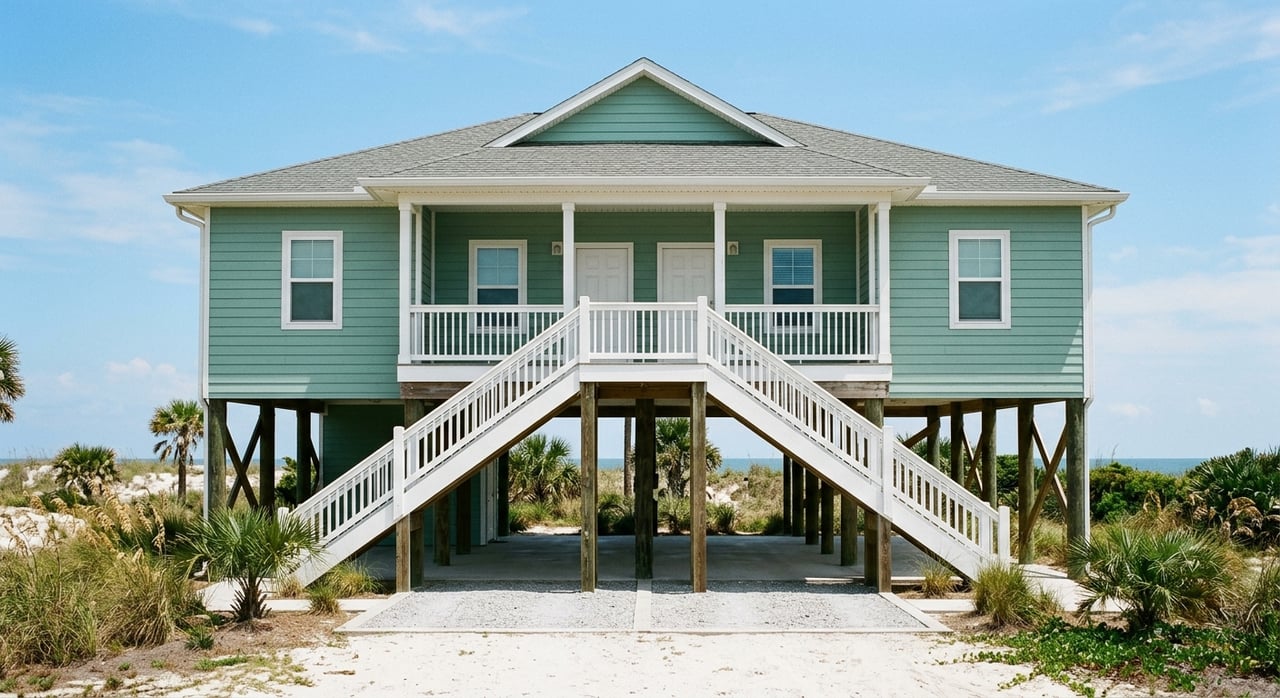
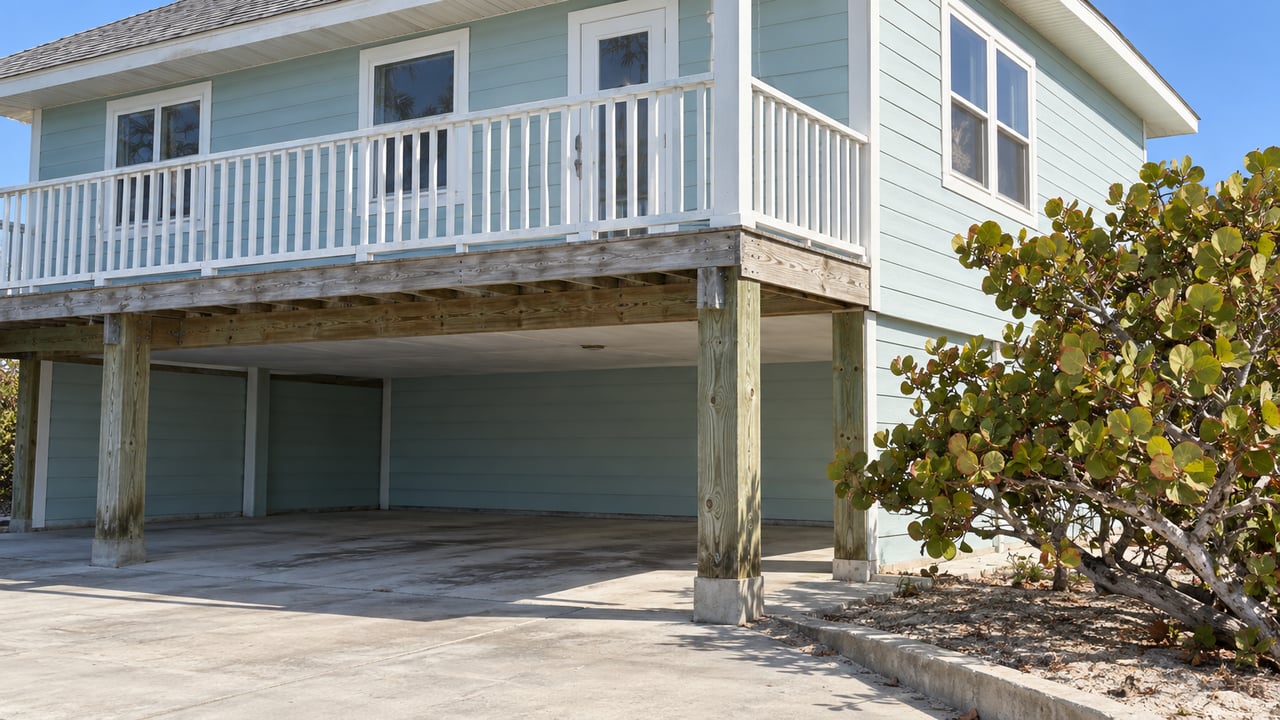
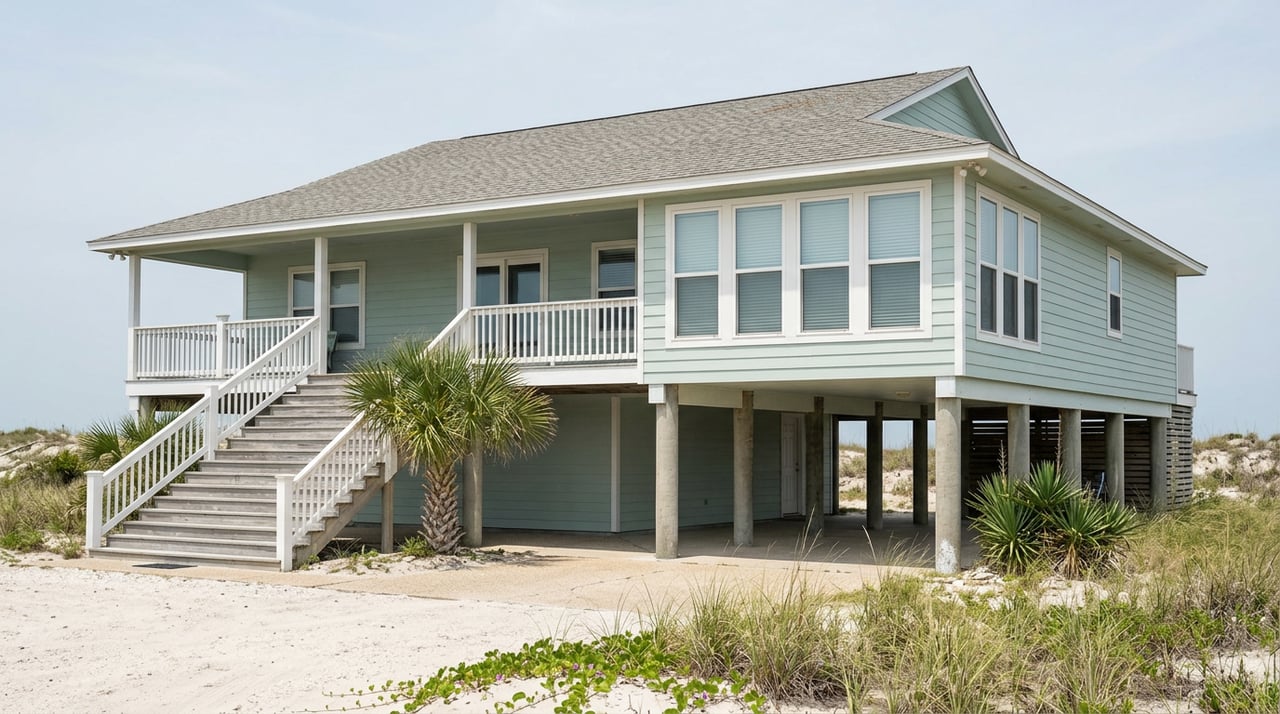
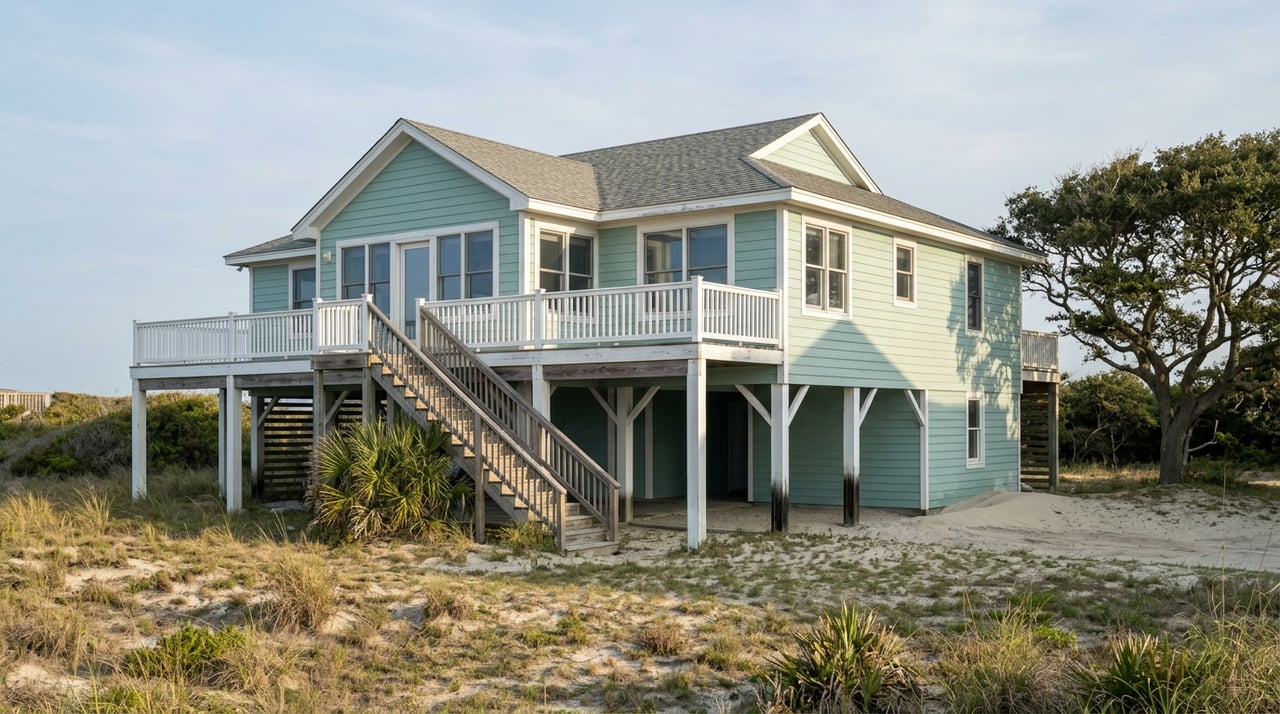
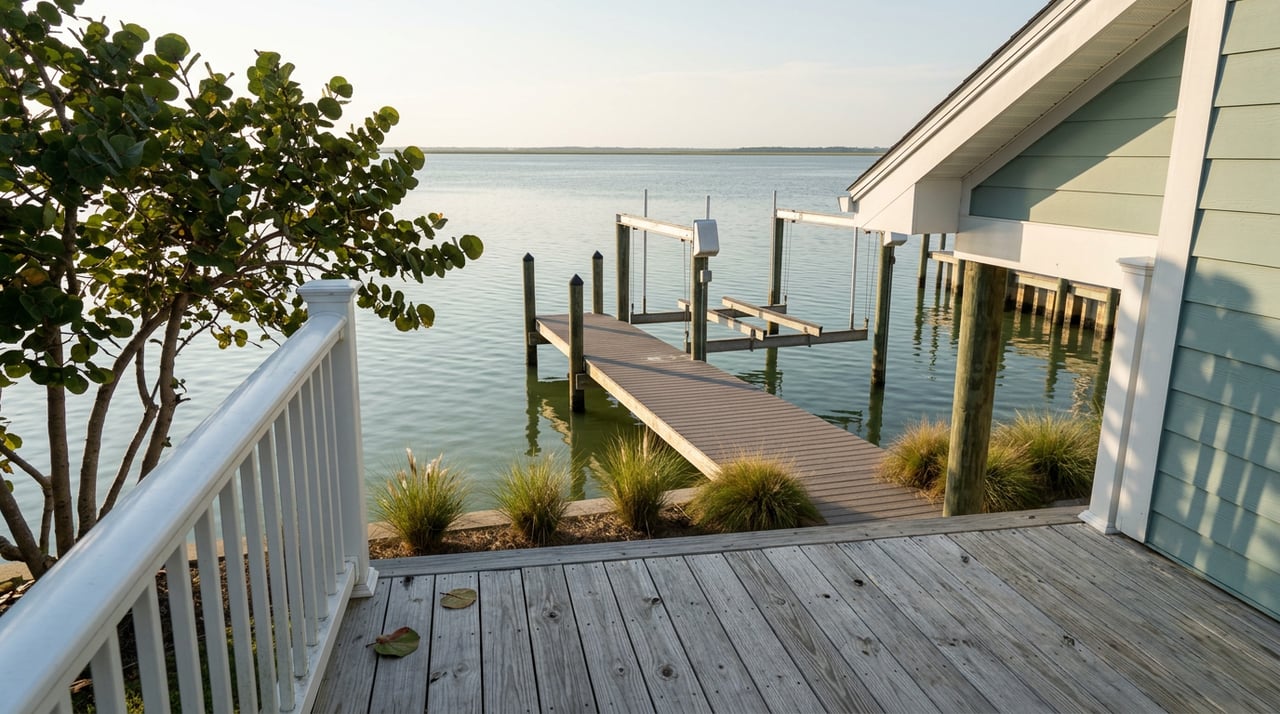
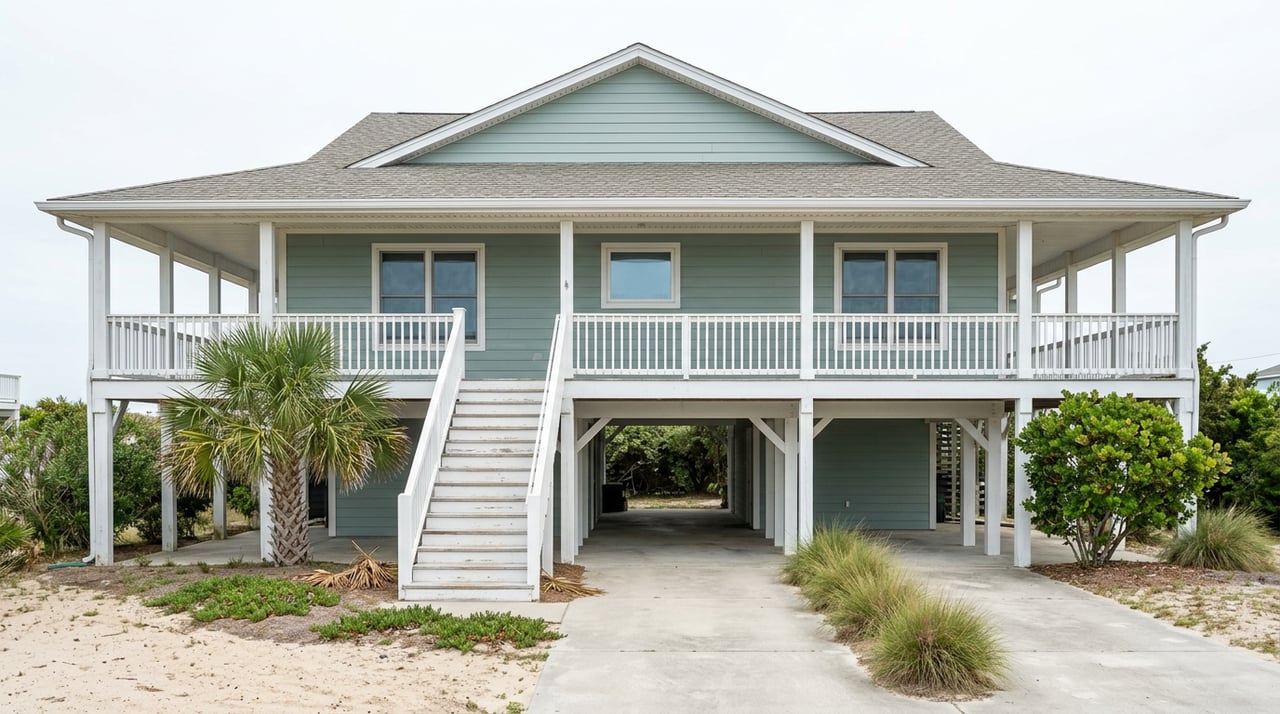
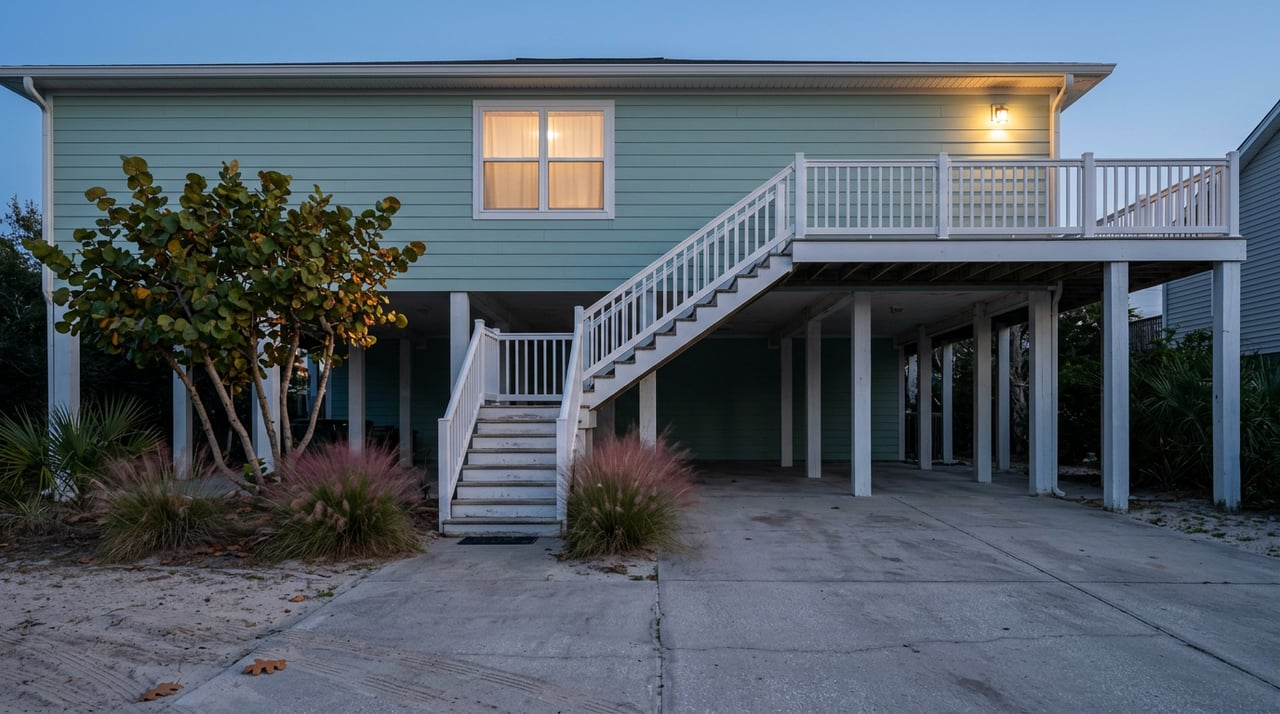
On the other hand, west-end or beachfront properties may offer strong visitor appeal, but they can also come with more flood, windstorm, and beachfront-construction friction. That does not make them bad investments. It just means the underwriting has to be more disciplined.
One of the most important steps in buying investment property in Galveston is confirming that your intended use matches the parcel. The city’s land development regulations distinguish between permitted, limited, specific, and prohibited uses.
That language matters. Limited uses are reviewed by the Development Services Director, while specific uses require a specific-use permit reviewed by the Planning Commission and then City Council.
If your plan depends on a use that does not clearly fit the current zoning district, treat that as a serious risk item. A change-of-zoning request must go through city review and approval, which means rezoning should never be assumed as part of your investment plan.
Galveston requires a Certificate of Occupancy before new construction, additions, or a change of use can be occupied. The city also notes that a Certificate of Zoning Compliance may be needed in some cases where a tenant changes but a full CO is not otherwise required.
For you, that means a property’s current use and your future use both matter. If your business plan involves converting the property, changing how it is occupied, or reworking the layout, make sure you understand what approvals are needed before closing.
Permits matter too. The city says work with a valuation of $500 or more will typically need a permit, and the Building Division operates under the 2021 International Codes with amendments and the 2023 NEC.
For multifamily and nonresidential projects, an off-street parking plan is required. Depending on the work, you may also need a site plan, drainage plan, elevation certificate, property survey, and land-use information.
If you are buying a value-add property, these details can influence cost, timeline, and whether the property still fits your return goals. A renovation that seems simple at first can become much more involved once permitting and site requirements are fully understood.
In Galveston, flood exposure belongs at the center of your analysis. The city says all development in the floodplain requires a permit, and substantially damaged or improved structures at or above 50% of market value must follow the same standards as new construction.
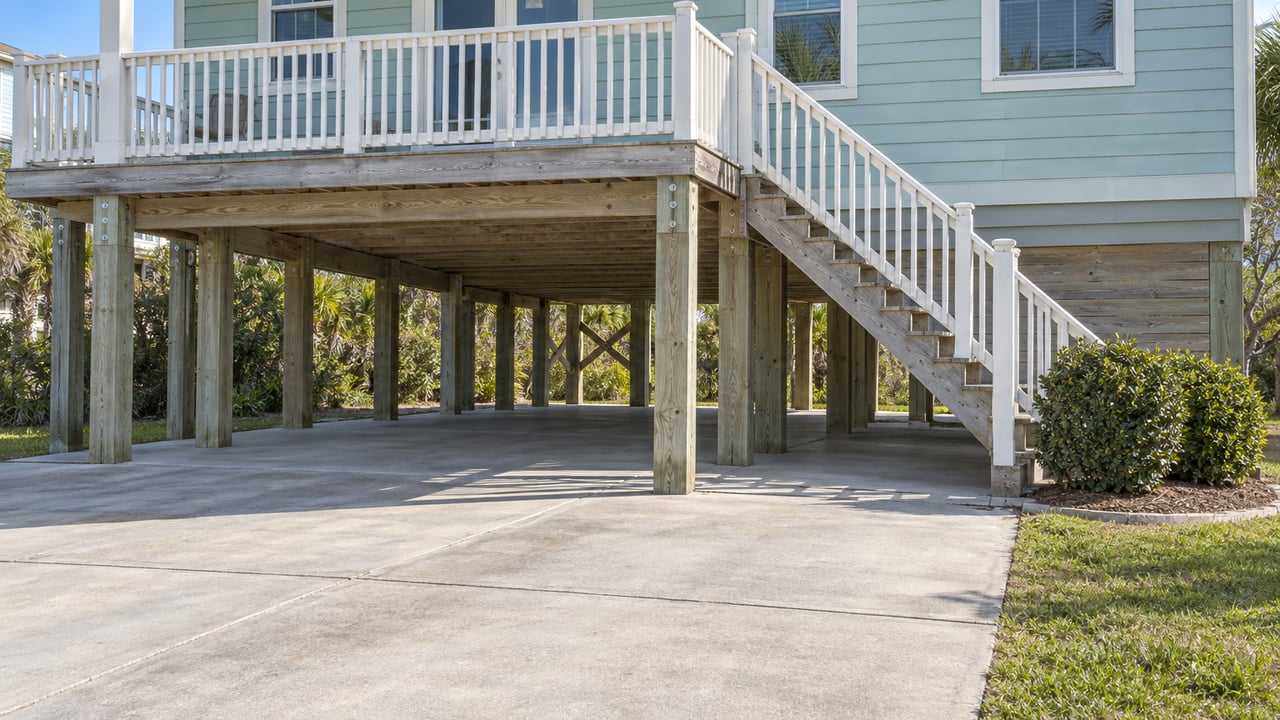
The city also says new construction or substantial improvements must be built at least 18 inches above the base flood elevation. That can affect rehab scope, budget, and whether a value-add project still makes sense.
Flood insurance should also be part of your base underwriting. The city advises flood insurance even outside the highest-risk zones and notes that homeowner policies do not cover flood damage.
On the Texas coast, windstorm compliance can directly affect insurability. Galveston says construction must comply with the Texas Department of Insurance building code in order to receive a WPI-8 Certificate of Compliance, which is tied to eligibility for Texas Windstorm Insurance Association coverage.
For you, this is especially important when evaluating roof work, structural changes, windows, doors, and other exterior improvements. What looks like a cosmetic project can have larger insurance implications once windstorm standards come into play.
Some Galveston properties come with extra review steps beyond standard zoning and permits. Work in historic districts may require HPO or Landmark Commission review.
Coastal location can create another layer. The city says all construction within 1,000 feet of the mean high tide line requires a beachfront construction permit before a building permit can be issued.
These rules do not mean you should avoid historic or coastal properties. They do mean you should build more time into due diligence and verify the approval path before you count on a renovation schedule.
Property taxes in Texas are local taxes set by local taxing units. Galveston Central Appraisal District explains that appraised values are assigned by the appraisal district, while tax rates are set by the local governments that levy the tax.
For investors, one of the biggest takeaways is that the residence homestead exemption requires owner occupancy as a primary residence. In most cases, that exemption will not apply to a rental investment.
Timing matters too. GCAD says property use on January 1 affects taxation and exemption eligibility for the year. Before you close, it is smart to verify the current tax bill, the property’s current use, and any assumptions in your pro forma.
If you are also thinking about vacation rental use, treat that as a separate compliance path. Galveston currently requires short-term rental registration and requires the GVR number to appear in advertisements.
The city also says it took over short-term rental registration and hotel occupancy tax collection effective October 1, 2025. That is different from ordinary long-term leasing, so do not assume the same rules apply.
Before you buy, keep your due diligence focused on the issues most likely to change the investment story. A strong Galveston file usually includes these five checks:
The most efficient starting point is the city zoning map. From there, confirm whether your intended use is permitted, limited, or specific, and then verify whether the parcel triggers floodplain, historic, or beachfront review.
For value-add, mixed-use, or conversion deals, ask a few more questions early:
These are the questions that can help you avoid expensive surprises after closing.
Galveston investing is not only about finding a property with upside. It is about making sure the parcel, the use, the insurance profile, and the permit path all support the plan you have in mind.
That is where a local, place-led approach can make a real difference. On the island, the best opportunities often come from understanding not just what a property is today, but how its location, elevation, access, and regulatory context may shape what you can do with it tomorrow.
If you are weighing single-family rentals, a small multifamily play, a mixed-use building, or even land for a future project, a careful local review can help you move with more clarity and fewer surprises.
When you are ready to explore investment property in Galveston with someone who understands island living and the practical realities behind it, reach out to Shani Atkinson.
Stay up to date on the latest real estate trends.
With deep island knowledge and a client-first mindset, Shani helps you navigate the Galveston market with confidence—delivering clarity, communication, and exceptional outcomes.