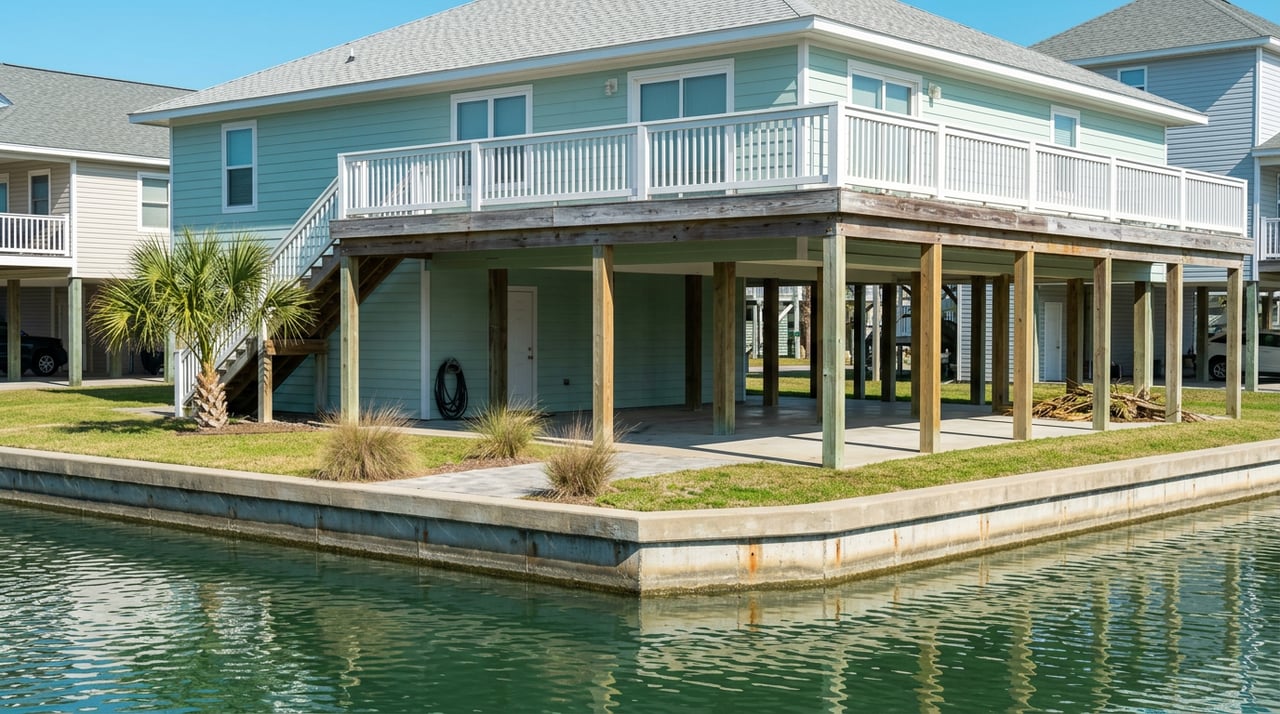
Pricing Your Jamaica Beach Canal Home in Today’s Market
March 5, 2026
March 5, 2026
Pricing a canal home in Jamaica Beach is not the same as pricing a typical house across town. One wrong assumption about water access, flood risk, or a seawall can cost you tens of thousands. If you want a confident list price that attracts serious buyers and protects your bottom line, you need a plan built for coastal property. This guide shows you how to read today’s market, weigh the canal-specific value drivers, and build a price range you can defend. Let’s dive in.
Jamaica Beach is a small, varied market where a handful of sales can swing the numbers. Public indices tell different stories right now. For example, recent snapshots show a typical-value index around the mid $400s, a median sale price closer to the low $300s based on a tiny monthly sample, and another index near the mid $500s. The lesson is clear: use multiple indicators and confirm with real comps.
Local context also matters. Recent reporting points to more inventory on Galveston Island as some short‑term rental owners list properties, which can create buyer-friendly conditions and longer days on market. You can see that island-wide signal in coverage of a growing buyers’ market as STR owners sell. In a shifting market like this, the best pricing starts with a local comp set and a clear-eyed view of your home’s canal features.
Water access is your headline feature. Buyers pay more for easier, faster access to deep water and for locations that are easier to navigate. End-of-canal, corner, or wider-curve lots often trade at a premium because they offer better views and simpler maneuvering.
Appraisers treat location on the water as a primary adjustment. The professional playbook for comp selection and adjustment, including location weighting, is outlined in Appraisal Institute guidance. If your lot offers unobstructed passage to deeper channels, call it out in your pricing and marketing.
A permitted, functional dock and boat lift is a top-tier feature for canal buyers. Industry sources often estimate a private, well-installed dock can add low-to-mid five figures to value in many markets, depending on demand and water quality. For context, see this installer’s overview on how docks can influence value.
Your seawall or bulkhead is just as important. Replacement is expensive on barrier islands, and buyers price that risk. Marine contractor guides show residential seawall projects can run from a few hundred to over a thousand dollars per linear foot, depending on exposure and materials. It pays to document condition and, if needed, bring a written quote. For ballpark ranges, review this seawall cost guide.
Flood zone and first-floor elevation directly affect marketability and insurance. Jamaica Beach is within FEMA-designated high-risk zones, and the city maintains clear resources to help you identify your property’s status. Start with the city’s flood information page and have your elevation certificate ready if available.
FEMA’s Risk Rating 2.0 made flood insurance pricing more property-specific, so two neighbors can have very different premiums. When buyers shop, they evaluate the total cost of ownership, not just the mortgage. Share current quotes to reduce friction. Learn more about Risk Rating 2.0 from the National Association of Realtors overview.
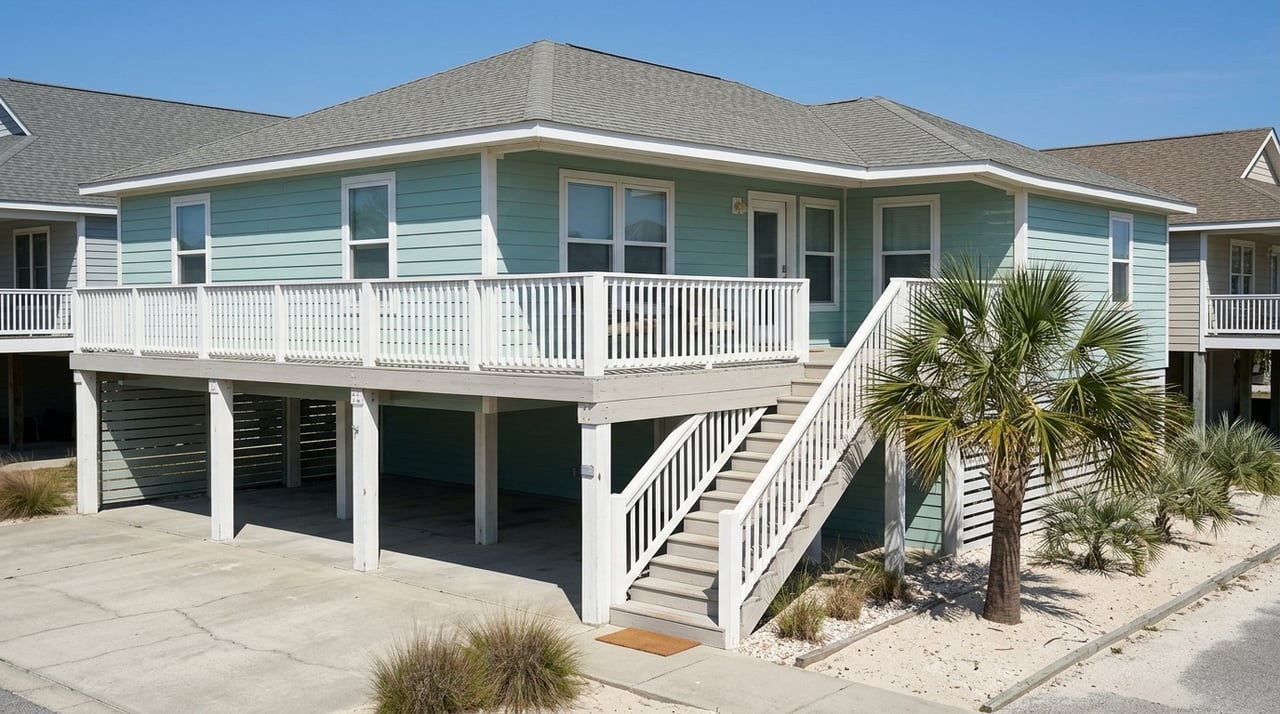
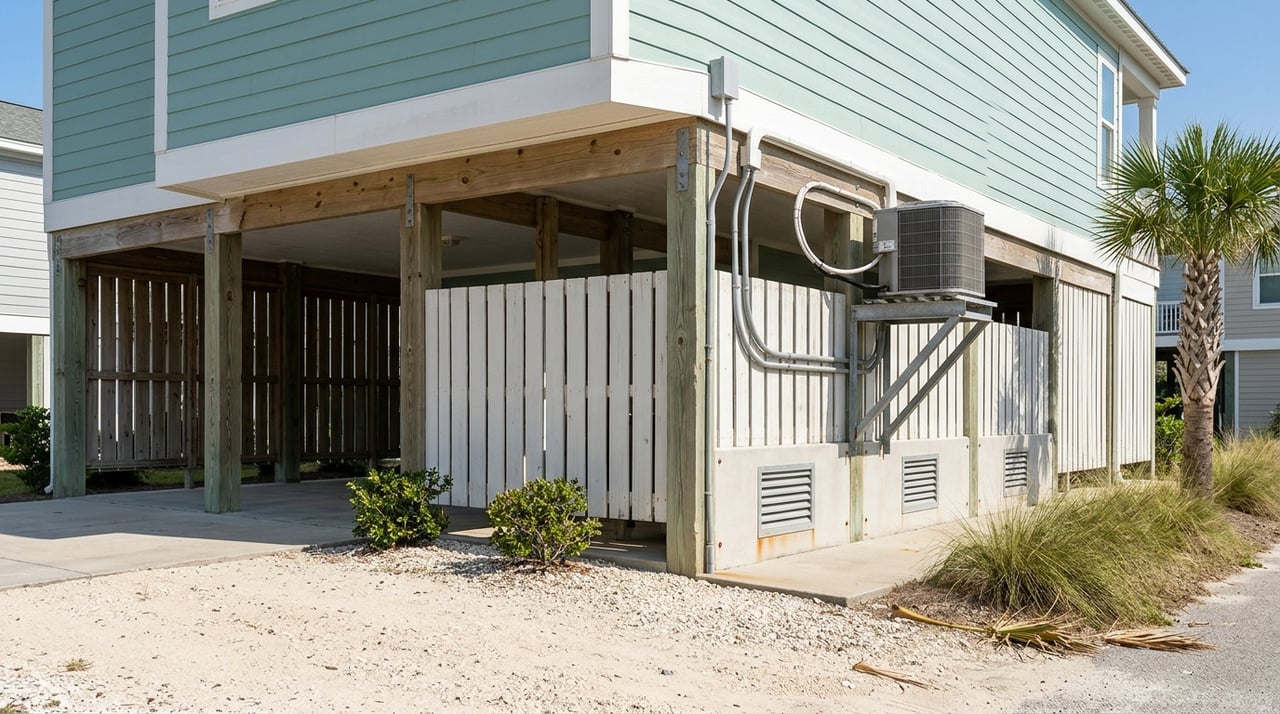
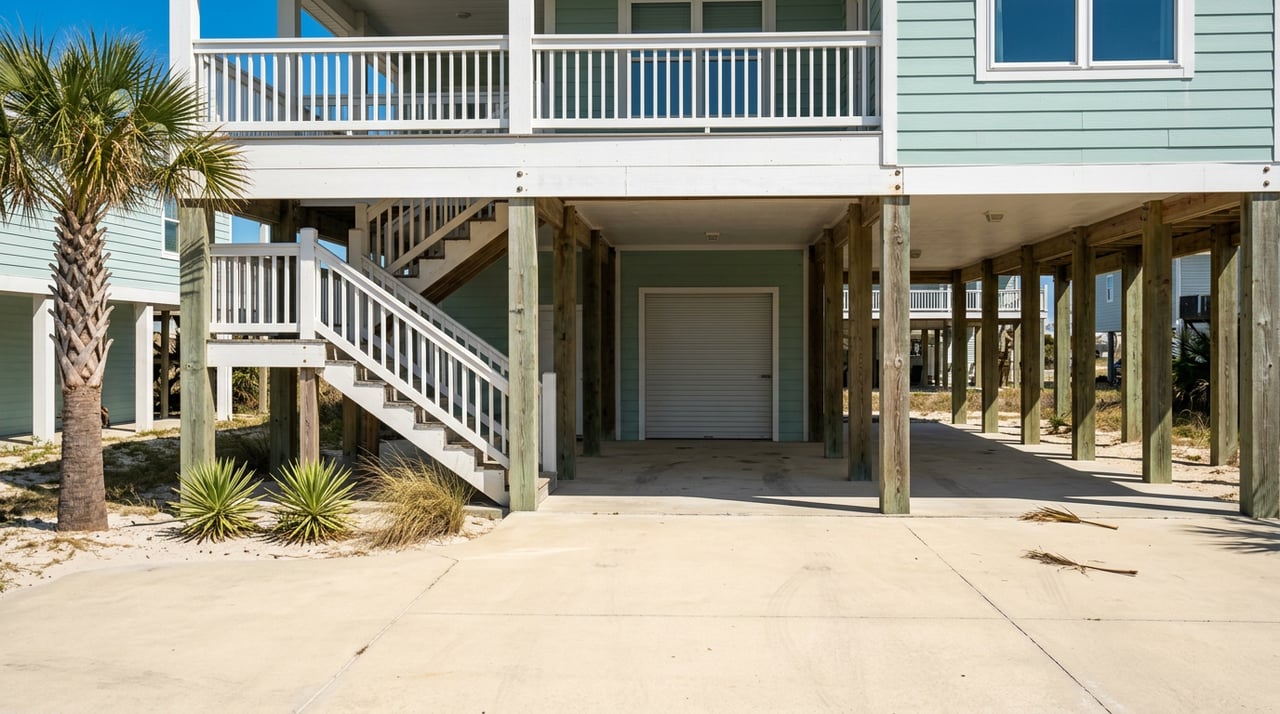
Coastal features that harden the structure against wind and water tend to support a stronger price. Think impact-rated windows, reinforced connections, elevated living areas, and recent inspections with repairs. Appraisers adjust for condition and quality, and they look for permits to confirm changes. For how pros structure these decisions, see the Appraisal Institute guide notes.
If your home is a short‑term rental, verified revenue and expenses can influence value when investors are in the buyer pool. Market-level STR summaries show Jamaica Beach has active, seasonal demand. You can review high-level trends on AirROI’s Jamaica Beach market page, then back it up with your own payout statements and management reports.
Compliance matters too. Jamaica Beach requires STR registration, enforces operating standards, and collects hotel occupancy tax. Buyers want to see that your property is registered and in good standing. Check current rules and recent updates on the city’s ordinances and registration page.
Start with 3 to 6 recent closed sales on your same canal or an immediate neighboring canal branch. If sample size is thin, go back up to 12 months and include pending and active listings as context. Prioritize the same water-access type, similar lot frontage, a usable dock and lift, and comparable living area and condition.
When in doubt, follow professional standards. The Appraisal Institute’s guidance lays out how pros select and adjust comps, and why proximity and like-for-like features matter most.
Adjustments should be consistent and supported by documents. Focus on these buckets:
If investors are part of your buyer pool, reconcile your sales-comparison value with an income view. A simple primer:
Example for illustration: If verified NOI is $50,000 and a market-appropriate cap rate is 6 percent, the income value is about $833,333. Then reconcile to recent sales to make sure the number aligns with how the market is actually behaving.
Market-level STR tools, like AirROI for Jamaica Beach, can provide ADR and occupancy context, but your own booking history is the gold standard.
Lead with a range, not a single number. Anchor your low, likely, and high prices to three things:
This keeps you credible in a small market where monthly medians can jump and where inventory shifts with STR listings.
If your most likely buyer is an owner-occupant, invest in presentation and peace-of-mind features. Fresh paint, tidy dock boards, visible safety upgrades, and an organized document packet can shorten days on market and protect price.
If your most likely buyer is an investor, lead the story with verified numbers. Provide a clean P&L, occupancy by month, and proof of registration and HOT compliance. Show conservative underwriting alongside lifestyle photos so both head and heart are covered.
Galveston’s buyer interest and STR demand rise in spring and summer, but serious buyers shop year-round. If your home is booking well, consider how to handle forward reservations within your pricing and terms. Use seasonality to your advantage in both timing and narrative.
Gathering the right documents boosts buyer confidence and helps you justify adjustments:
Numbers sell confidence, but lifestyle sells the dream. In your photos and copy, highlight everyday moments a canal buyer wants: morning coffee on the deck with canal views, easy boat days from a functional lift, and simple evening fishing off a safe, well-lit dock. Pair that story with the documents above, and you give buyers both the “why” and the “how.”
Buyers ask about compliance early. Put your STR registration status, permit documents for dock and bulkhead, and any flood-mitigation upgrades front and center. If you have questions about coastal permitting norms, the USACE Galveston District site outlines processes for structures in navigable waters. Clarity here strengthens your price.
If you want a price you can stand behind, build it from the canal up: water access, dock and bulkhead condition, elevation and insurance realities, and real comps. Blend in STR income when it applies, present a clean packet, and shape a story that shows both value and lifestyle. That is how you get buyers off the fence.
Ready to price your Jamaica Beach canal home with confidence? Reach out to Shani Atkinson for a data-backed valuation and a marketing plan that sells the island lifestyle.
Stay up to date on the latest real estate trends.
With deep island knowledge and a client-first mindset, Shani helps you navigate the Galveston market with confidence—delivering clarity, communication, and exceptional outcomes.