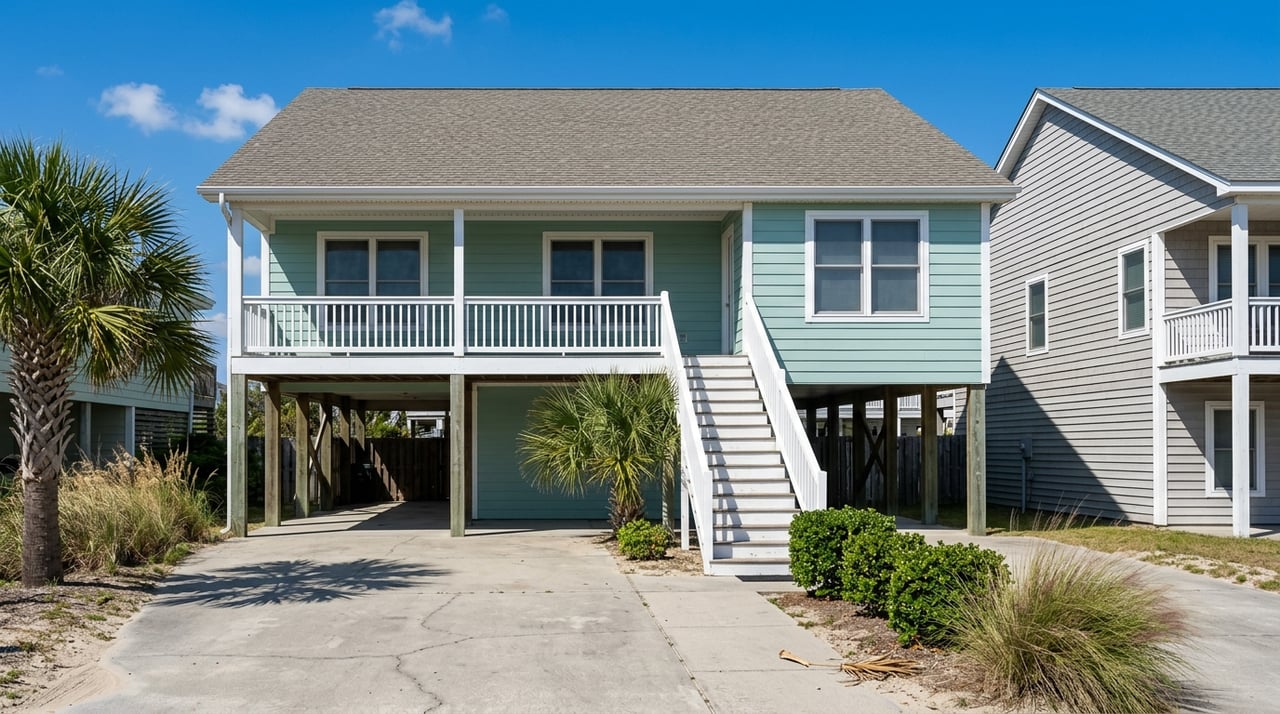
Best Galveston Neighborhoods for Full-Time Island Life
May 7, 2026
May 7, 2026
Wondering where full-time island life really works in Galveston? That is a different question than where to spend a fun weekend. If you are planning a primary move, you need a neighborhood that fits your daily routine, commute, services, and the kind of coastal lifestyle you want to live year-round. This guide walks you through the Galveston neighborhoods that stand out for full-time living, what each area feels like in practice, and what to verify before you buy. Let’s dive in.
Galveston is not one single, uniform market. The island is better understood as a group of distinct zones, including Downtown, Central Island, Seawall, West End, Causeway and Cruise, Pelican Island, and the East End.
That matters because your day-to-day experience can change a lot from one part of the island to another. Some areas put you close to UTMB, downtown, and transit routes. Others offer a quieter beach setting with more space and stronger ties to outdoor living, but usually with more driving built into your week.
For many full-time buyers, the East End is one of the easiest places to picture daily life. It sits right next to downtown, includes some of Galveston’s oldest residential areas, and combines neighborhood identity with access to beaches, UTMB, and community spaces.
The East End Historic District was Galveston’s first residential neighborhood and became the city’s first locally designated historic district in 1971. It is also listed as a National Historic Landmark. The wider East End includes UTMB, the East End Lagoon Nature Preserve, Stewart Beach, East Beach, and several historic neighborhoods.
If your priority is convenience, a few East End pockets stand out.
For buyers who want a blend of history, residential streets, and a strong sense of place, the East End checks a lot of boxes. The East End Historic District Association also hosts block parties, home tours, cleanups, and other neighborhood events, which adds to the area’s year-round community feel.
The East End can make sense if you want to stay connected to the core of the island. It is especially practical if your routine includes UTMB, downtown, nearby beach access, or regular in-town errands.
If you like older neighborhoods, established streets, and being close to both activity and services, this area deserves a hard look. It is one of the clearest examples of full-time residential living on the island.
Midtown is often a smart middle ground. It feels more residential than downtown, but still keeps you close to everyday needs and central-island destinations.
Visit Galveston describes Midtown as primarily residential, with corner stores and restaurants throughout the area. It also includes Moody Gardens, Schlitterbahn Galveston Island Waterpark, Galveston College, Lasker Park Community Pool, and several historic cemeteries.
Midtown is not just one look or one housing type. The area includes neighborhood pockets with their own personality.
For full-time residents, Midtown often works well because it balances residential feel with access. If you want to be on the island full-time without feeling tucked too far out, this area can be a practical choice.
Midtown may be a strong option if you want central access to the island and a more everyday neighborhood setting. It can also make sense if you want proximity to services, recreation, and public transit routes without choosing a more mixed-use downtown environment.
For many buyers, this is the area where convenience and neighborhood feel meet in the middle. That can be especially valuable when island living needs to work on a Monday morning, not just on a sunny Saturday.
If you want the most urban version of Galveston living, downtown stands apart. This area is home to the Strand Historic District, the Downtown Cultural Arts District, and the Historic Strand Seaport area.
Downtown is known for historic architecture, locally owned restaurants, boutiques, galleries, attractions, and performance venues. That mix makes it the island’s strongest walkable mixed-use environment.
Downtown can be a great fit if you enjoy being in the middle of activity. You may find it appealing if you want to spend less time driving and more time walking to dining, arts, and events.
At the same time, this is usually a better fit for buyers who want an urban setting rather than a quiet, purely residential atmosphere. If your ideal island life includes energy, convenience, and character-rich surroundings, downtown deserves consideration.
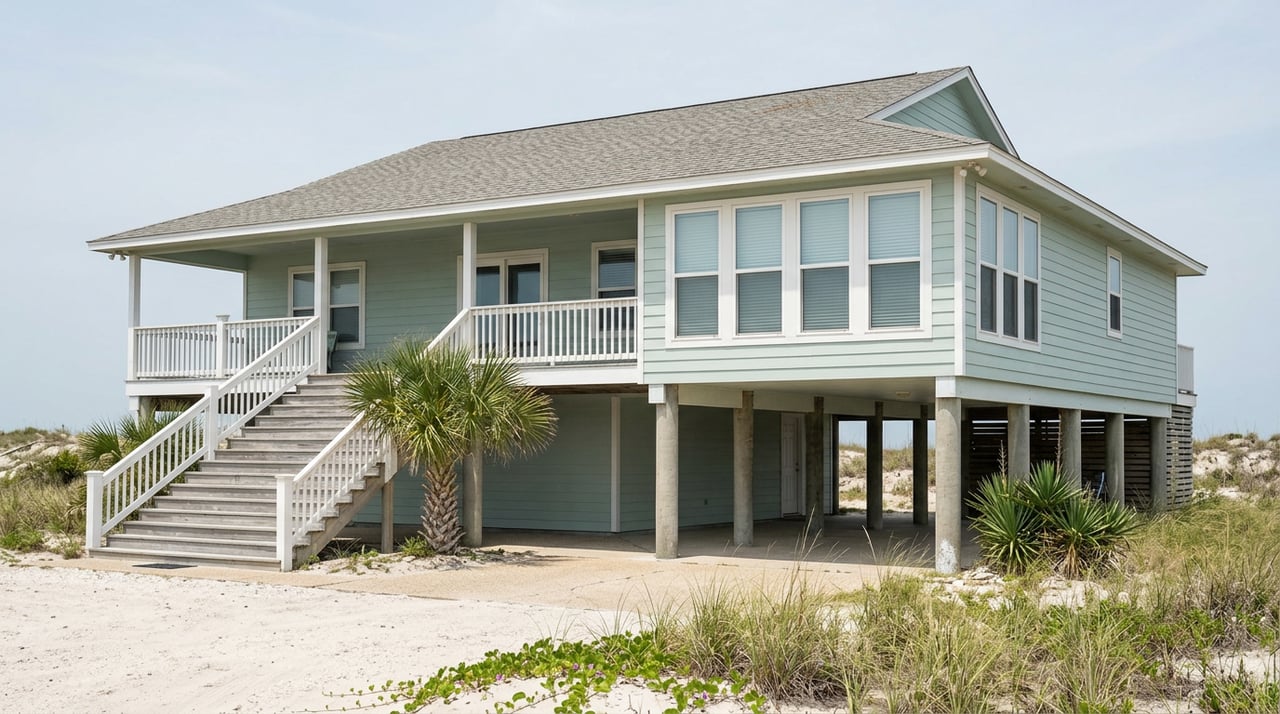
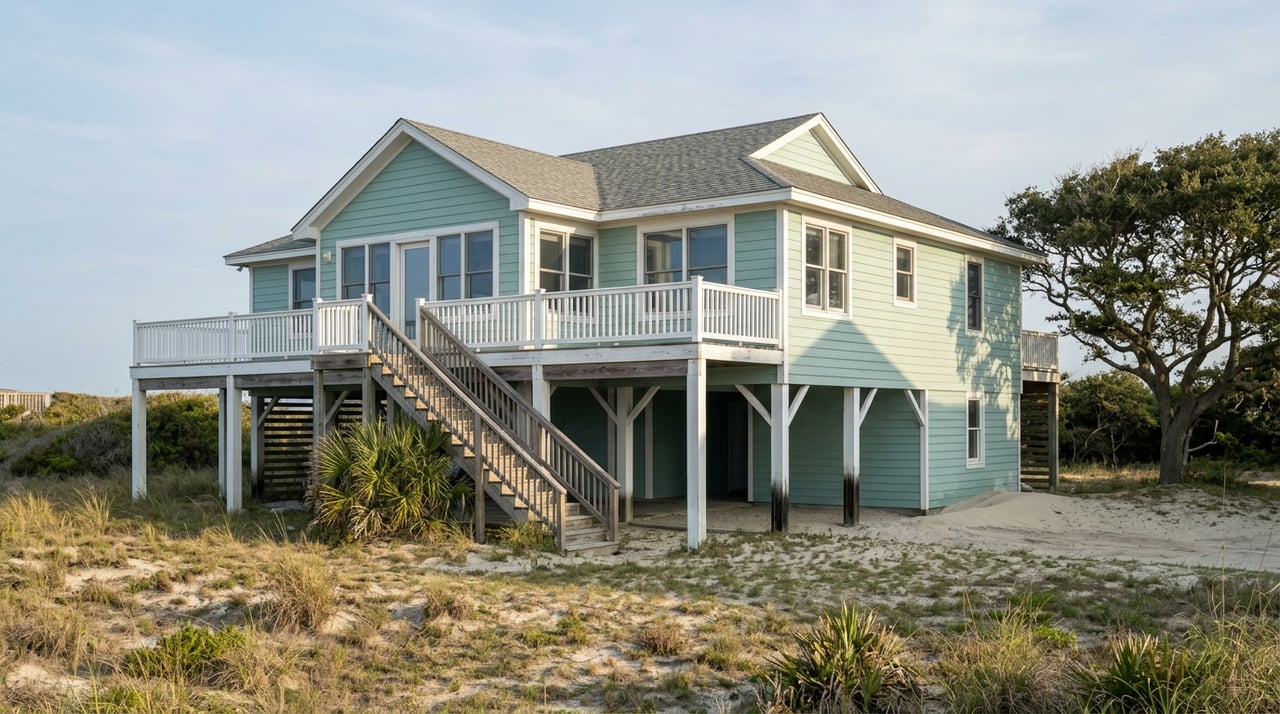
If your picture of island living includes more shoreline, more sky, and a little more breathing room, the West End may be where your search starts. This part of the island is known for serene landscapes, wildlife, expansive shoreline, the Coastal Heritage Preserve, and Galveston Island State Park.
The tradeoff is practical. West End living often means more driving to reach central-island services. For many buyers, that is worth it for the beach access, quieter setting, and stronger connection to the outdoors.
Jamaica Beach is a separate city on the West End and offers a notably resident-focused setup. Its amenities include city hall, police dispatch, water and sewer service, a city park with a playground, basketball court, picnic area, and pavilion, plus a city swimming pool with a pool lift.
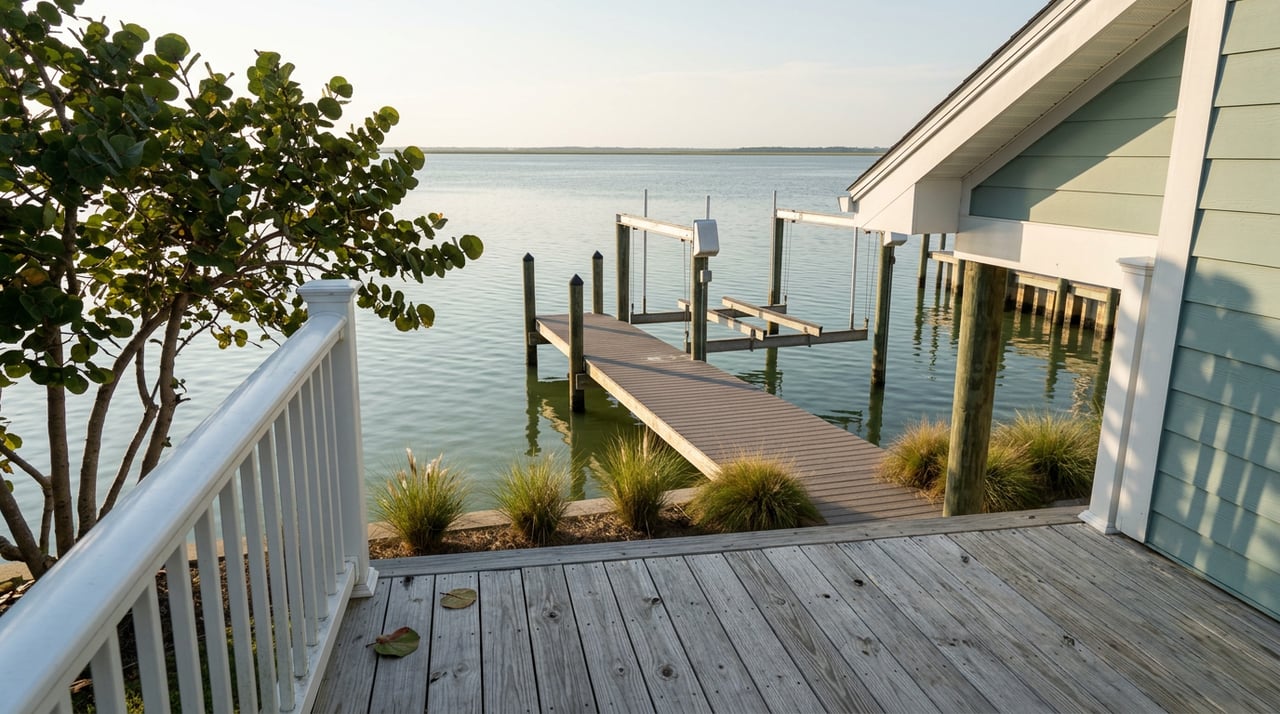
The city also offers beach-wheelchair access and a resident and guest permit marina boat ramp with access to the canals and West Bay. For buyers who want a coastal community with municipal services and a neighborhood identity, Jamaica Beach is one of the most practical West End choices.
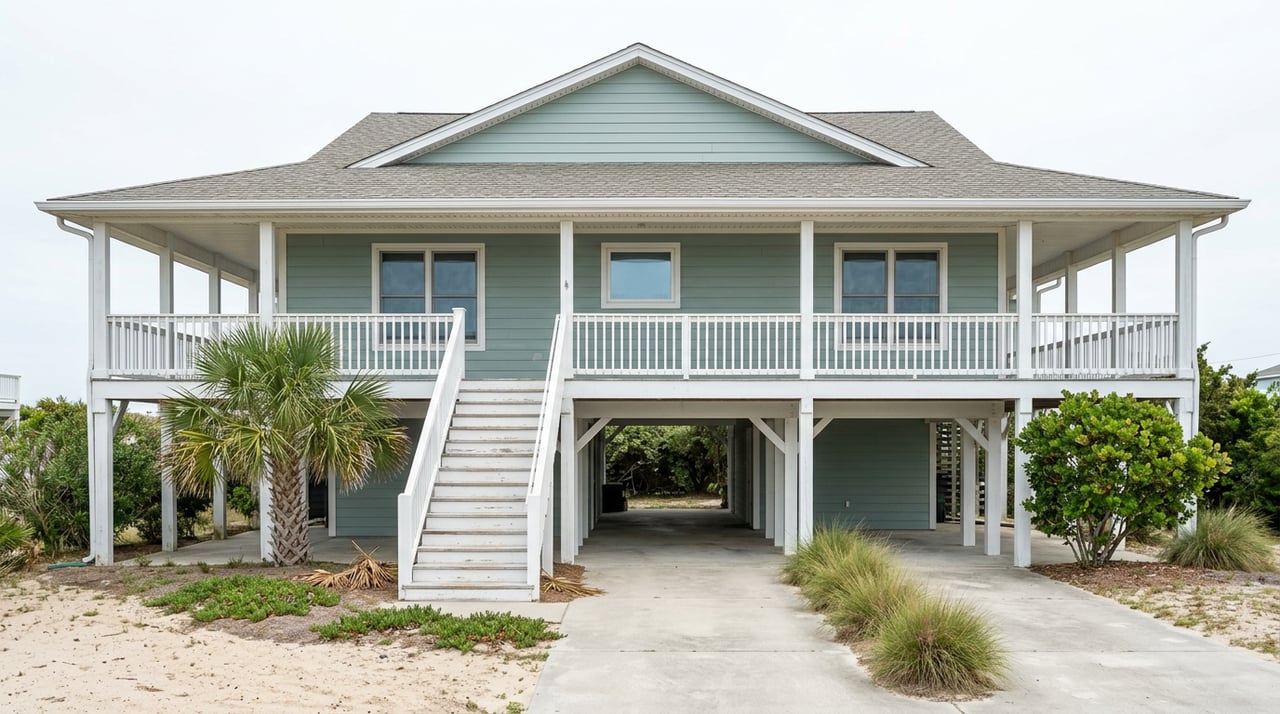
The City of Galveston’s beach-access plan also identifies Village of Jamaica Beach, Pirates Beach, Pirates Beach West, and Palm Beach as distinct West End beach areas and subdivisions. These neighborhoods are often attractive to buyers who want direct beach access and a more relaxed, spread-out environment.
The West End is often the right fit if lifestyle comes first. If you picture decks, salt air, time on the water, and a little more separation from the busiest parts of the island, this area delivers that experience.
It can be especially appealing for buyers who do not need to be near downtown or UTMB every day. For full-time residents, the key is making sure the added drive time fits your work, school, and service needs.
When buyers relocate to Galveston full-time, a few practical questions usually shape the search faster than square footage alone.
If your routine revolves around UTMB or downtown, the most directly connected options are generally in the East End and Midtown. East End pockets like Lindale Park and Fish Village stand out because of their geography and proximity, and these areas are also tied into island transit routes.
If you want a neighborhood that feels clearly residential, the strongest clusters in the source material are East End, Midtown, and Beachtown. Each offers a different version of that experience, from historic streets to more planned development patterns.
If you want an island lifestyle supported by everyday services, Midtown and Jamaica Beach stand out. Midtown offers central-island convenience, while Jamaica Beach adds resident-oriented municipal amenities in a beach-community setting.
For full-time living, neighborhood choice is about more than the house itself. Your access to schools, healthcare, and transportation can shape how easy island life feels over time.
Galveston ISD serves more than 7,000 students from Galveston, Jamaica Beach, and Bolivar Peninsula. According to the City, the district includes two high schools, five middle schools, and six elementary schools. The City also notes magnet and certification programs, and the island includes private and charter options such as O'Connell College Preparatory, Trinity Episcopal School, Holy Family Catholic School, Upward Hope Academy, Odyssey Academy, and Ambassadors Prep Academy.
On the healthcare side, UTMB is the island’s anchor institution. The Galveston campus includes four schools, research facilities, John Sealy Hospital, Jennie Sealy Hospital, and a Level I trauma center. UTMB also has an emergency room in Galveston, urgent care on Broadway, and multiple primary care and specialty clinics.
For transportation, Interstate 45 is the main corridor connecting Galveston to the Houston metro area. On the island, Island Transit runs fixed routes on weekdays and Saturdays, connecting Broadway, downtown, UTMB, Midtown, the East End south of Broadway, and the west side, with trolley service on the Seawall and downtown.
On Galveston Island, neighborhood choice should always include a little due diligence. Before you fall in love with a block or a view, it helps to confirm the details that can affect daily life and long-term ownership.
Here are the key items to verify:
The City of Galveston provides GIS tools and links to FEMA flood maps and Texas GLO GIS data for parcel-level review. The city also notes that these GIS products are for informational purposes and are not legally binding, so they are a starting point for research, not the final word.
The best Galveston neighborhood for full-time living depends on how you want your days to feel. You might want East End access and historic character, Midtown convenience, downtown walkability, or the West End’s wider-open coastal rhythm.
That is where local guidance matters. On an island, small location differences can affect commute patterns, beach access, services, and how connected you feel to the lifestyle you came for. If you are ready to find the Galveston neighborhood that fits your routine and your version of home, connect with Shani Atkinson.
Stay up to date on the latest real estate trends.
With deep island knowledge and a client-first mindset, Shani helps you navigate the Galveston market with confidence—delivering clarity, communication, and exceptional outcomes.