Galveston Beach Home Closing Process: From Offer to Keys
May 28, 2026
May 28, 2026
Buying a beach home in Galveston can feel like the fun part ends when your offer is accepted, but that is often when the real work begins. Between contract deadlines, flood and windstorm coverage, title review, and local permit questions, coastal closings can move fast and get complicated quickly. The good news is that when you know what happens next, you can stay ahead of the details and avoid last-minute surprises. Let’s dive in.
In Texas, an accepted offer does not come with an automatic three-day cooling-off period. Your ability to terminate the contract depends on the terms written into the contract itself.
One of the most important tools buyers use is the option period. According to the Texas Real Estate Commission, if you pay the option fee on time, you may have the unrestricted right to terminate during that period by written notice. That is why the first few days after acceptance matter so much.
Earnest money and the option fee follow separate deadlines. TREC says earnest money generally must be deposited by the close of business on the second working day after execution unless the contract says otherwise in writing, and the option fee is generally due within three days after the effective date.
If you miss the option fee deadline, you may lose that unrestricted termination right. For a Galveston beach home, that early window is also the best time to line up inspections, start insurance quotes, and begin title and survey review.
A beach closing in Galveston is not just a standard Texas closing. It also comes with coastal questions that can affect financing, insurance, and your timeline.
The biggest filters are usually flood-zone confirmation, windstorm eligibility, and local permitting. These issues do not always stop a deal, but they can slow one down if you wait too long to check them.
That is why local buyers often benefit from treating the first week as a working week, not a waiting week. While you are picturing coffee on the deck and evenings by the water, you also want the practical pieces moving in the background.
Title and survey review are some of the most important paper steps before closing. They sound similar, but they do different jobs.
A simple way to think about it is this: title tells you what you are buying in the public-record sense, while the survey shows where the property lines and improvements actually sit. Both matter, especially on coastal lots where setbacks, encroachments, and tight lot lines can create questions.
The Texas Department of Insurance says title insurance protects against unknown title defects, and many lenders require a mortgagee policy before making the loan. Buyers in Texas can choose any licensed title company, and the title commitment is issued before closing while the final policy comes after closing.
TREC’s resale contract also gives buyers a path to object to certain issues shown in the title commitment or survey. The form specifically mentions any portion of the property lying in FEMA Zone V or A, which is especially relevant in coastal areas like Galveston.
Before you get too close to closing day, review these items together:
The Texas Department of Insurance notes that if the legal description and the survey do not match, that can signal a problem. Title insurance also does not cover every kind of boundary dispute, so this is not a step to rush.
For many Galveston beach purchases, insurance is the issue most likely to slow things down. This is where coastal buying becomes very different from buying farther inland.
Standard homeowners insurance does not cover flood damage. FEMA’s FloodSmart program says buyers with a government-backed mortgage in a Special Flood Hazard Area are required to carry flood insurance, and some lenders may also require it outside a high-risk zone.
Flood insurance timing matters too. FloodSmart says NFIP flood coverage usually comes with a 30-day waiting period, although exceptions can apply when the policy is purchased in connection with making, increasing, extending, or renewing a mortgage.
That means you do not want to wait until the last minute to start the flood insurance process. If the home needs flood coverage for closing, a delay here can affect your entire transaction timeline.
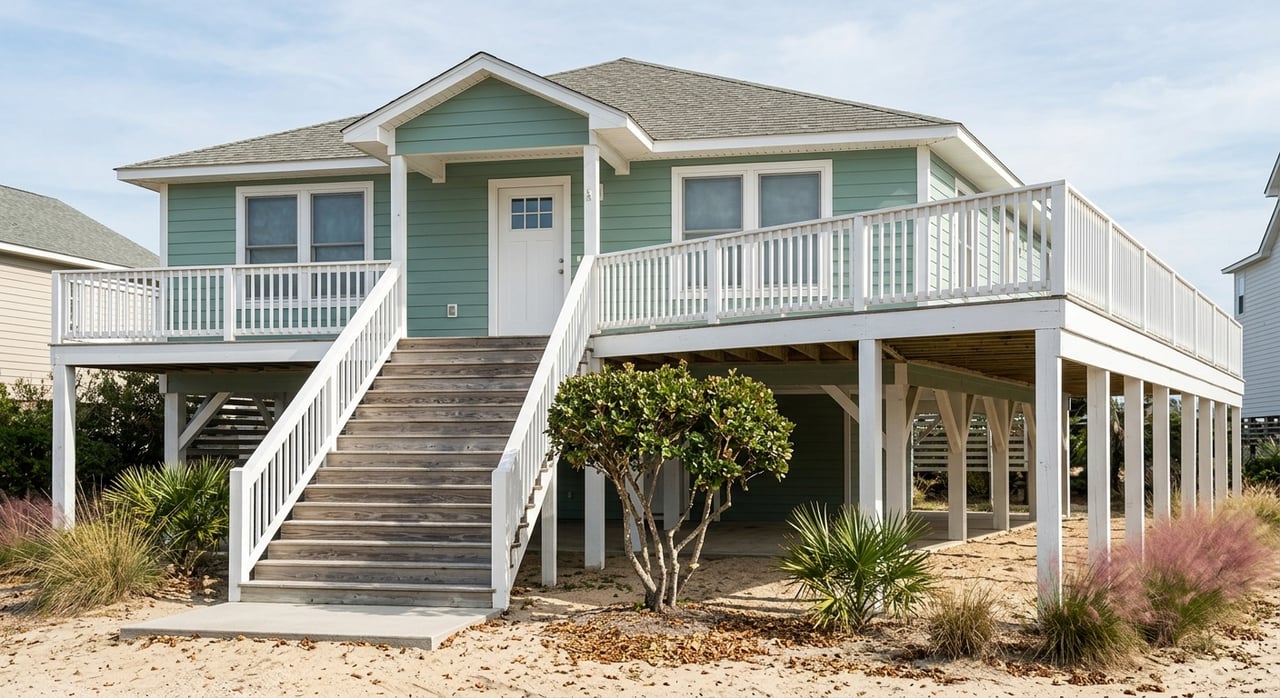
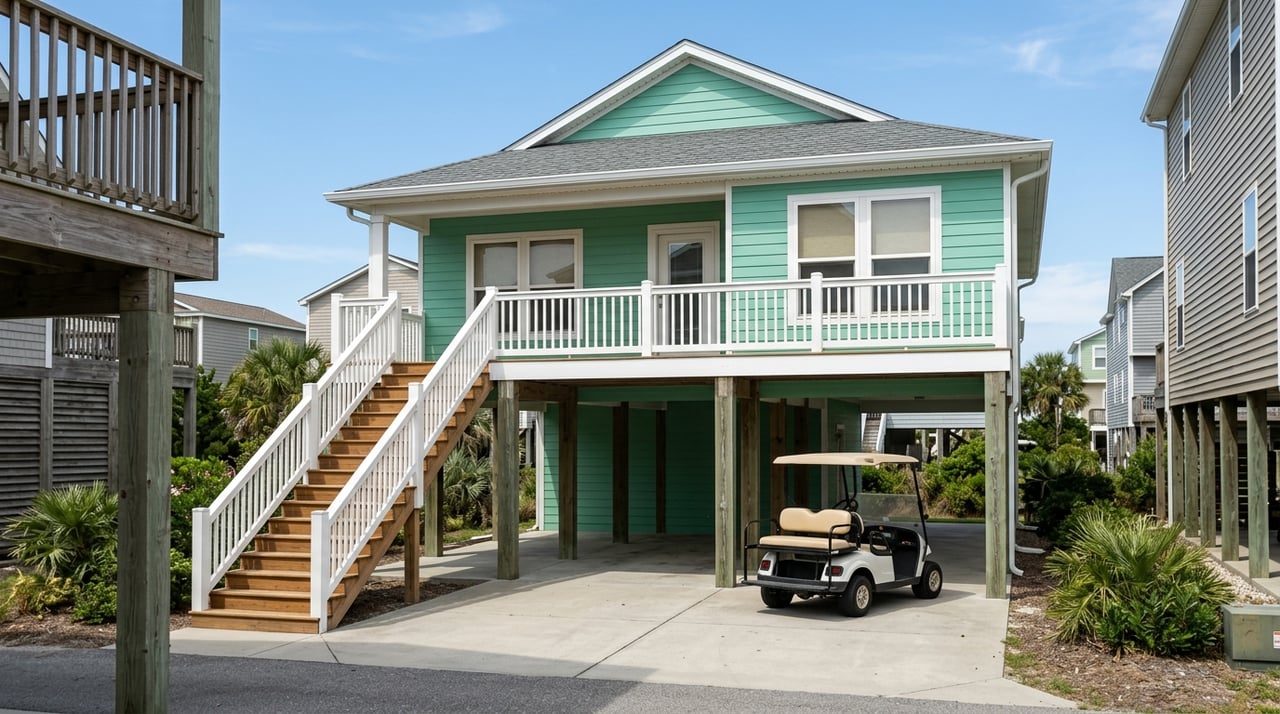
Not every beach-adjacent home carries the same flood designation, and assumptions can be costly. FEMA describes Zone V or VE as coastal high-hazard areas with wave action, and those areas come with special floodplain management rules.
If you are buying near the water, verify the property’s exact flood zone instead of guessing based on distance to the beach. A home that looks similar to the one next door may still carry a different designation.
FloodSmart also notes that an elevation certificate can help lower the premium in some cases. For buyers watching their monthly costs, that document can become part of the bigger affordability picture.
Windstorm coverage is another key piece of the puzzle. The Texas Department of Insurance says Galveston falls within the Windstorm Inspection Program’s First Tier Counties, and the Texas Windstorm Insurance Association ties eligibility to whether the property meets windstorm building-code requirements.
TWIA says a property must have a Certificate of Compliance before it is eligible for coverage. TDI also notes that some properties in a Coastal Barrier Resource Area may be ineligible for TWIA coverage.
This is one reason a beach-home closing can feel smooth for weeks and then suddenly hit a snag. Even after the contract is signed, insurance eligibility still has to line up with lender requirements.
One point that helps many buyers is understanding that these coverages are not interchangeable. They each protect something different.
When you buy on the island, it helps to think of insurance as a checklist, not a single box to mark complete.
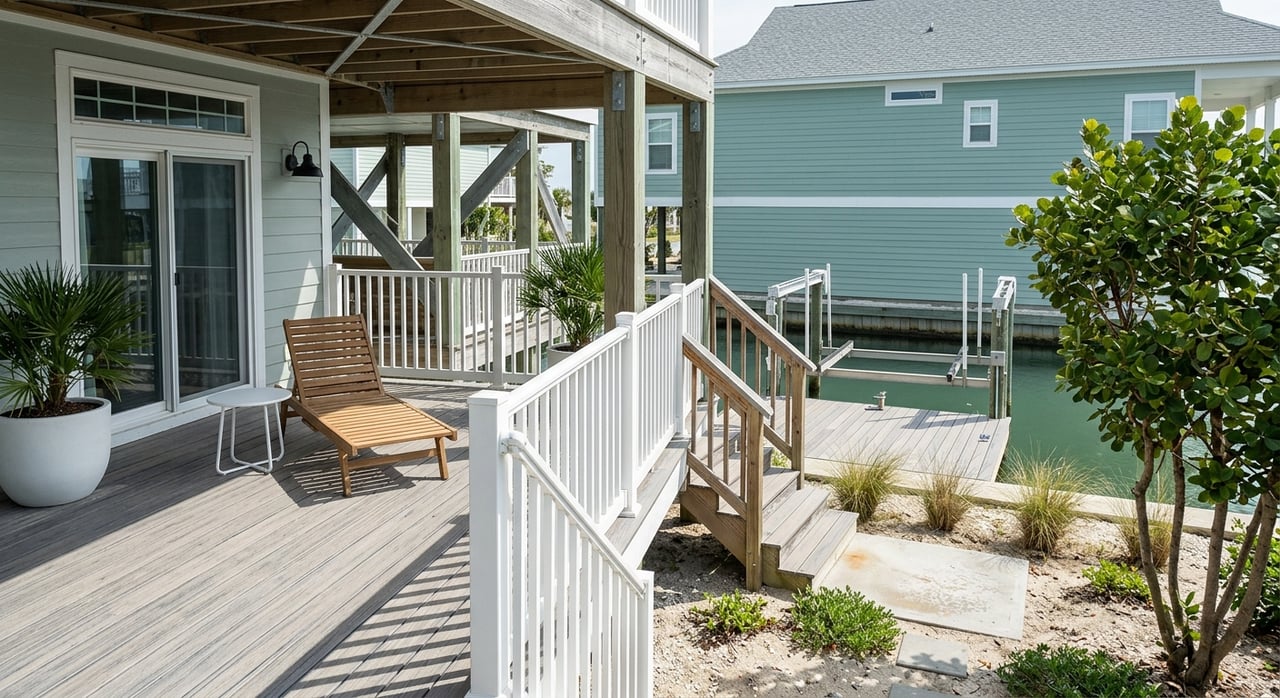
For many buyers, the excitement of closing includes plans for updates right away. Maybe you want to add a deck feature, adjust a driveway, improve the lot, or prepare for a future addition. In Galveston, those plans may involve local permits even if the work seems minor.
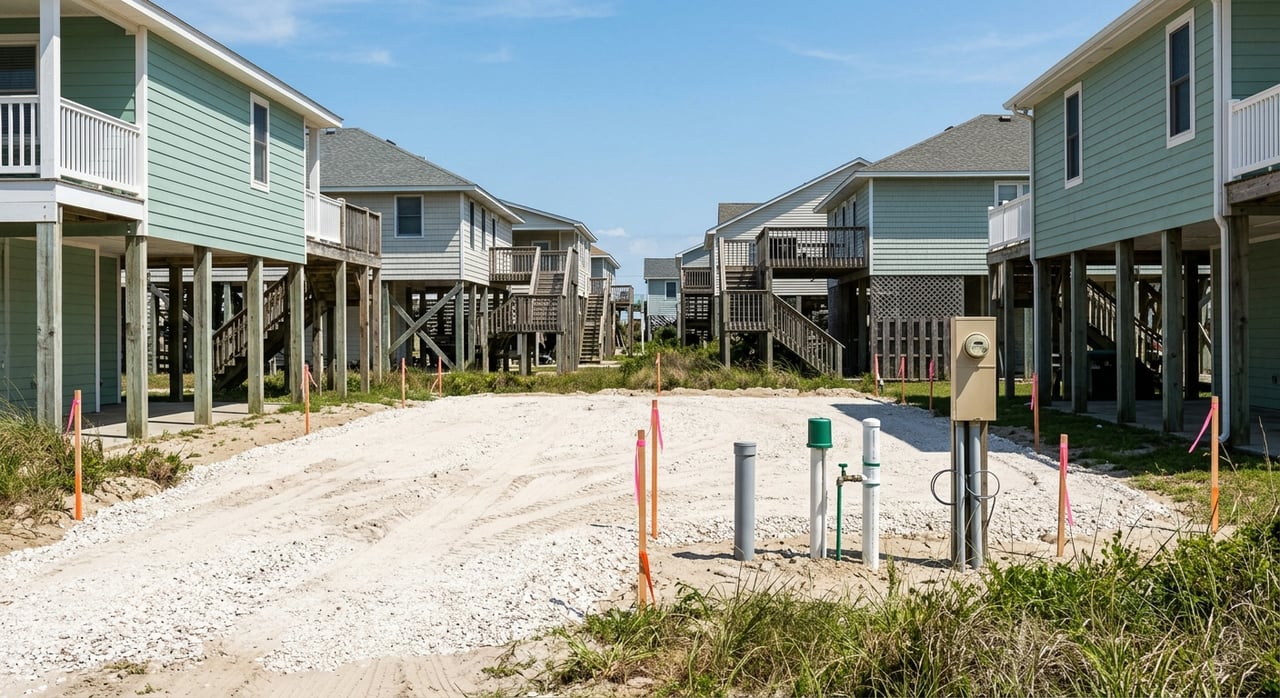
The City of Galveston says all development in the floodplain requires a permit. The city defines development broadly enough to include new construction, grading, and paving, and it states that unpermitted development in the floodplain is illegal.
The city also says structures that are substantially damaged or substantially improved at 50 percent or more of market value must meet new-construction standards. That includes building permits and elevation certificates, and the city states that new construction and substantial improvements must be at least 18 inches above base flood elevation.
If the property is close to the Gulf, there may be another layer to consider. The City of Galveston says construction activities within 1,000 feet of the mean high tide line require a Beachfront Construction Certificate or Dune Protection Permit before work begins.
That can be especially important if you plan to build or change exterior features after closing. Decks, additions, driveways, and site work may all need an extra review depending on location and scope.
Owning the home does not automatically mean every project can start right away. In some cases, you will need separate city approval before moving forward.
If you are buying a newly built home or considering a change of use, one more document may matter. The City of Galveston says a Certificate of Occupancy is required before a structure can be used or occupied in those situations.
That can become part of the lender’s final review on a new build. If your purchase involves newer construction, ask early which documents are complete and which are still pending.
If you want a simple way to think about the process, this step order can help keep everything moving.
This is your deadline-driven stage. Deliver earnest money and the option fee on time, and if you want option-period protection, schedule inspections right away.
Compare the survey, title commitment, and legal description. Check the FEMA flood zone and identify any title exceptions, survey concerns, or flood-zone issues that need follow-up or negotiation.
Bind flood insurance early enough to avoid timing issues, confirm windstorm eligibility, and verify whether the property has any required windstorm compliance documents. If you are planning post-closing work, check whether city permits or certificates may be needed.
Review the settlement statement carefully. Confirm that the title policy description matches the survey and verify any wiring instructions directly with the title company before sending funds.
One final detail deserves special attention. The Texas Department of Insurance warns that real estate closings are targets for wire-transfer fraud.
If you are wiring funds, verify wiring instructions directly with the title agent before sending money. Do not rely only on emailed instructions, especially if anything seems rushed, unusual, or changed at the last minute.
A Galveston beach home closing is about more than signing papers and getting keys. It is about making sure the contract deadlines, insurance requirements, title review, survey details, and local coastal rules all line up before funding.
When those pieces come together, closing day feels a lot more like it should. You can focus on the part you have been waiting for: unlocking the door, stepping onto the deck, and starting your next chapter on the island.
If you want local guidance from contract to closing, Shani Atkinson can help you navigate the details and move toward island living with confidence.
Stay up to date on the latest real estate trends.
With deep island knowledge and a client-first mindset, Shani helps you navigate the Galveston market with confidence—delivering clarity, communication, and exceptional outcomes.