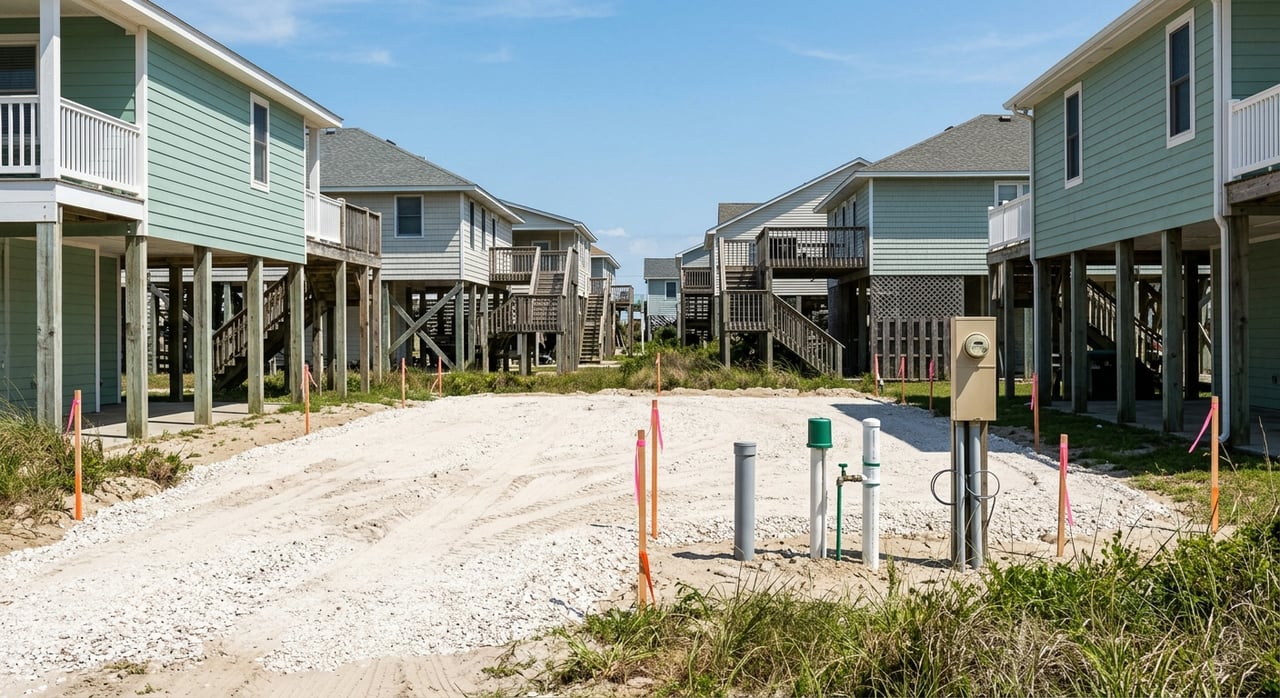
Buying a Lot in Jamaica Beach: What You Need to Know
June 4, 2026
June 4, 2026
Buying a vacant lot in Jamaica Beach can look simple at first glance. You see coastal air, quick access to the water, and the vision of a future beach house or canal-front retreat. But in this part of Galveston County, the real question is not just whether you like the lot. It is whether you can build on it, insure it, and use it the way you plan to. If you are thinking about buying land here, a little due diligence upfront can save you time, money, and stress later. Let’s dive in.
Jamaica Beach was developed as a 2,000-lot resort subdivision near a marina, and the city continues to highlight amenities like the marina and boat ramp, city park, and beach access. That lifestyle is a big part of the appeal. It also shapes resale value because buyers are often looking for an easy path to enjoying the island, not just owning dirt.
When you buy a vacant lot here, you are really buying future potential. That means you want to know whether the parcel supports the kind of home or investment plan you have in mind. In Jamaica Beach, factors like flood zone, elevation, utilities, dune rules, and setbacks can all affect that answer.
In Jamaica Beach, every lot is in a flood zone. According to the city, the VE zone is closest to the beach, while the AE zone is farther inland, and the current effective FEMA maps are dated August 15, 2019. Before you make an offer, confirm the exact flood zone for the parcel you are considering.
This is one of the biggest cost drivers for vacant land and future construction. A flood zone can affect design, foundation type, insurance needs, and your total carrying costs. It can also shape how attractive the property will be to a future buyer if you decide to sell later.
The city also notes that basic homeowners insurance does not cover flood. Flood policies generally have a 30-day waiting period, which matters if you are planning ahead for construction or future occupancy. Jamaica Beach participates in the National Flood Insurance Program and a voluntary CRS program that may provide discounts, but you still need to understand the lot’s individual flood profile.
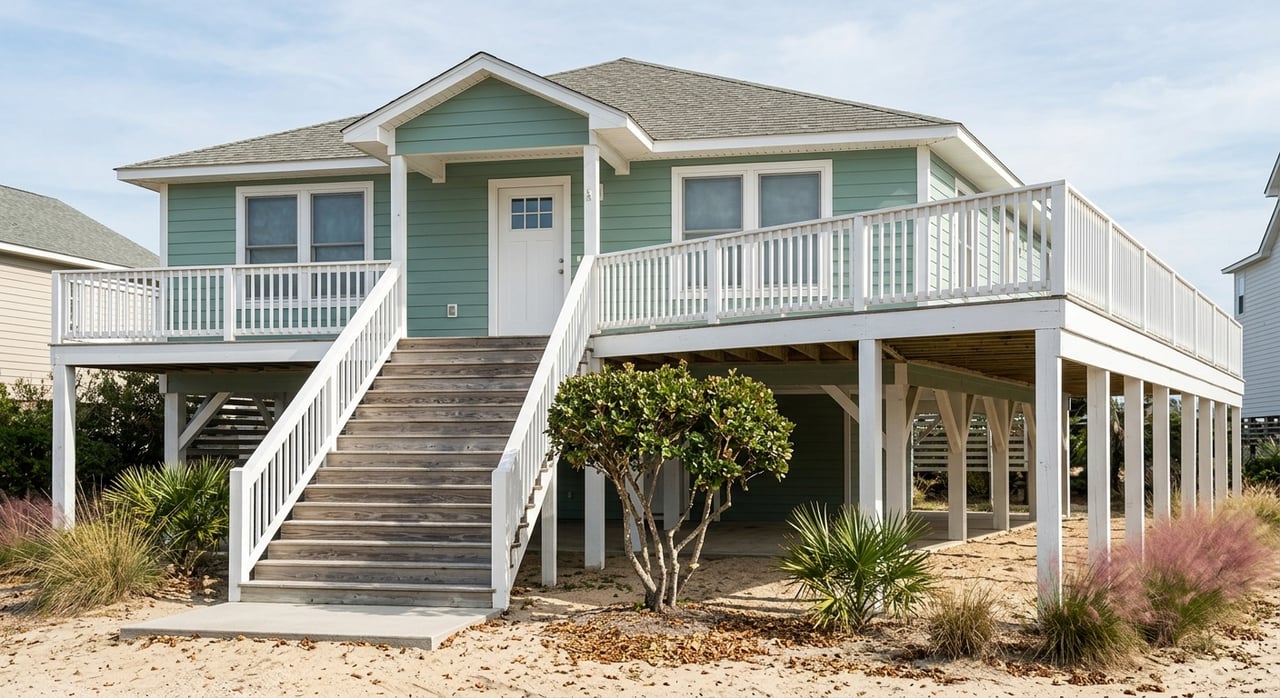
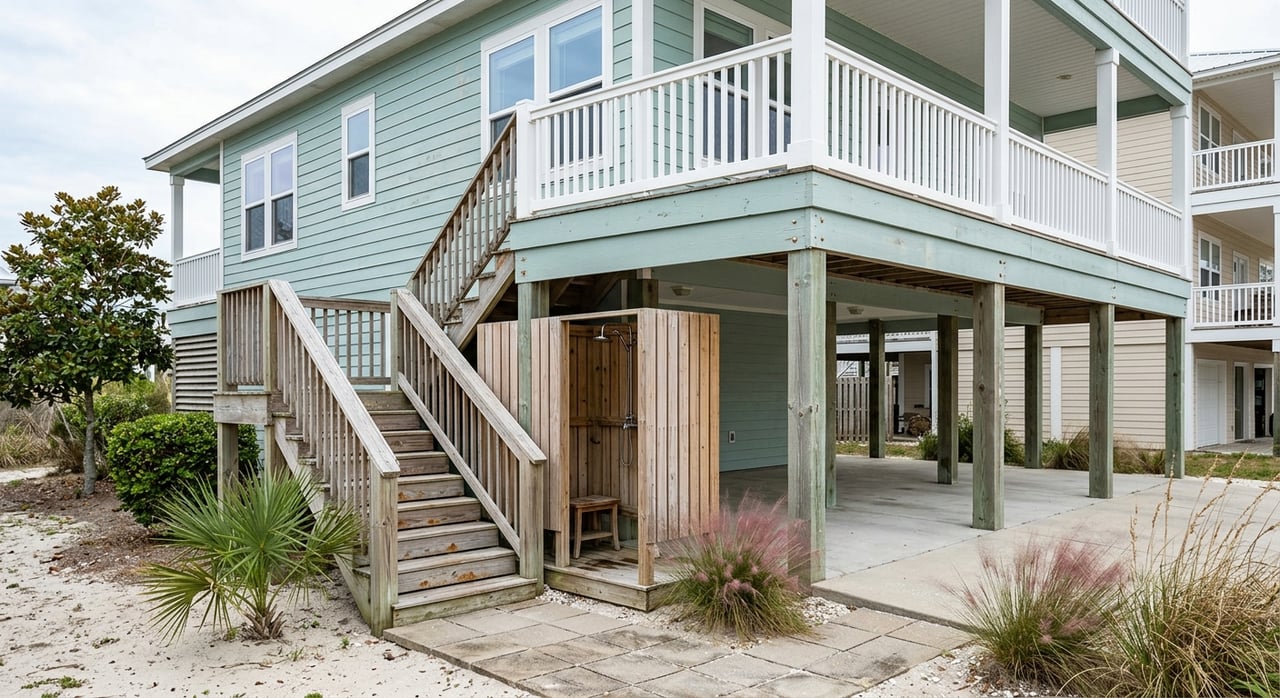
Not all flood zones create the same building path. The city states that the VE zone, which is nearest the beach, comes with stricter coastal construction considerations. Its permit sheet notes that in the VE zone, piling depth must equal or exceed the height above ground.
That kind of requirement can affect both cost and design. So if you are comparing two lots at similar price points, the cheaper lot is not always the easier or less expensive one to build on.
Jamaica Beach says all development in the floodplain requires a permit. That includes more than just building a house. The city also warns that unpermitted floodplain work, such as berms or water-diverting barriers, is illegal.
This matters because some buyers assume they can improve a lot later and figure out the paperwork as they go. In a coastal community like Jamaica Beach, that approach can create expensive delays. You want to know the rules before you close, not after.
For new construction, the city’s permit requirements are detailed. The permit sheet calls for two sets of plans and specifications, two copies of a survey showing ground elevation, compliance with NFIP rules, Texas Department of Insurance windstorm standards, and an elevation certificate before final inspection.
A vacant lot may seem buildable because neighboring homes already exist, but that does not guarantee your lot will be simple to develop. Elevation, drainage, and fill rules can all change what is feasible. In Jamaica Beach, floodplain standards and coastal regulations make these details especially important.
If a parcel needs additional engineering, elevation work, or special drainage design, your total project cost can rise quickly. That is why a low lot price should always be weighed against the likely construction path. On the island, affordability is about the full picture, not just the purchase price.
For beachfront and dune-adjacent lots, Jamaica Beach has a dune protection plan that adds another step to the process. Work in the dune permitting area requires a Dune Protection Permit and a Beachfront Construction Certificate. The city also prohibits fill within the critical dune area without permission.
The plan requires lot design to provide gradual, dispersed drainage so runoff does not increase drainage to the public beach or neighboring property. For parcels seaward of the dune protect line, the rules become even tighter. The city prohibits damage to dunes or vegetation, limits impervious surfaces, and requires compliance with FEMA minimum standards and dune-mitigation sequencing.
If you are eyeing a lot close to the beach, this is one of the first things to verify. A great location can still be a great opportunity, but only if the parcel’s buildability matches your expectations.
One of the most common mistakes with vacant land is assuming utility service is straightforward because nearby homes are already connected. In Jamaica Beach, the city operates its own water and sewer department, and new service requires contacting the department to arrange service and ask about fees.
For buyers, the key question is not just whether the neighborhood has utilities. It is whether your specific lot can be connected on acceptable terms. Confirm whether a meter, tap, or service application is required and whether connection issues could affect your build timeline.
City billing materials also show that water, sewer, garbage, and donation charges are part of the ongoing monthly cost base. So even before a home is built, carrying costs matter. If you are buying land to hold for a while, this should be part of your budget planning.
If a lot is not sewer-served, Texas Commission on Environmental Quality rules apply to septic or other on-site sewage facilities. TCEQ says permits are required for construction, alteration, repair, extension, and operation of an OSSF, and local authorities may require more than state minimums.
That does not mean a lot is off the table. It just means you need to confirm feasibility before moving forward. A parcel only works if wastewater service works too.
A lot may look large enough on paper, but the usable building envelope can be much smaller once setbacks and easements are considered. Jamaica Beach’s zoning ordinance is Ordinance 2019-7, and the city says all construction must conform to the zoning ordinance and adopted building codes.
A 2022 city council packet referenced a variance request involving a 20-foot setback requirement and an 8-foot side setback for pool equipment. That is a good reminder that lot-specific restrictions matter. Two lots on the same street may not offer the same design flexibility.
This is especially important if you already have a house plan in mind. Before you buy, review the parcel’s setbacks, easements, and dimensions to make sure the home, parking, stairs, decks, pool, or outdoor features you want will actually fit.
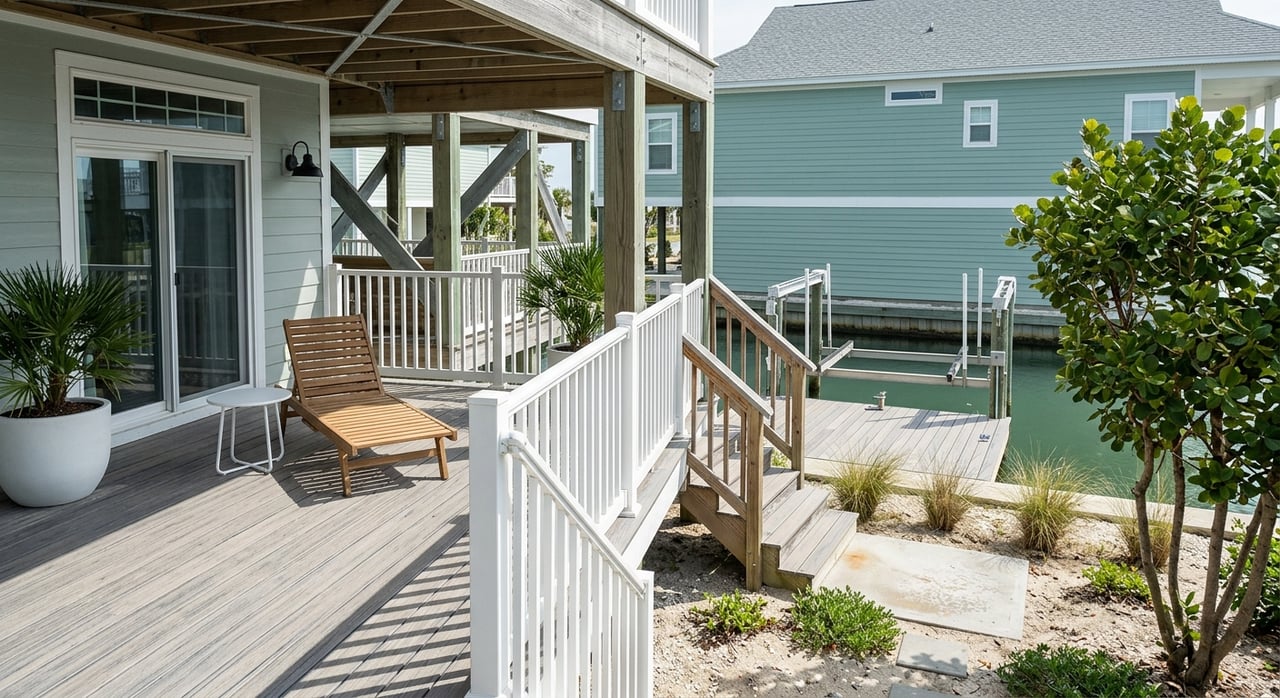
Canal-front and waterfront lots can be especially appealing in Jamaica Beach. They fit the island lifestyle many buyers want, with access to boating, fishing, and outdoor living. But these lots often come with extra questions that should be answered early.
The city’s permit sheet limits how far boat decks, boat lifts, and pier structures may project relative to the surveyed property line. City ordinance history also includes a limited zero-lot-line allowance for some lots with existing water cutouts. If a dock, lift, or other water feature is part of your vision, verify the rights and restrictions tied to that parcel.
On the Texas coast, windstorm compliance is a practical issue, not a minor detail. The city’s permit requirements reference Texas Department of Insurance windstorm standards, and TDI says coastal properties must meet certain building standards to get windstorm insurance.
For vacant-lot buyers, this matters because a lot that supports a straightforward code-compliant build is usually easier to insure, finance, and resell. In other words, future marketability is often tied to buildability. A parcel with fewer unresolved issues tends to attract more confidence from future buyers.
Some buyers look at Jamaica Beach lots with future rental income in mind. That can be part of the appeal in a beach community with strong lifestyle demand. But you should never assume a rental strategy will work just because the area is popular with visitors.
The city has short-term rental rules, so investors should confirm whether rental use is feasible for the specific property and under current local requirements. If rental income is part of your numbers, verify that early. A lot should support your real plan, not just your best-case scenario.
Before you make an offer on a vacant lot in Jamaica Beach, confirm these points:
A good lot in Jamaica Beach is about more than location. You are buying the ability to create a future home, getaway, or investment that works with local rules, coastal conditions, and your long-term goals. The lots that tend to be most marketable are the ones with clear utility access, manageable flood and elevation requirements, a usable building envelope, and no unresolved dune, drainage, or easement issues.
That is why local guidance matters so much on Galveston’s West End. A lot can look perfect in photos and still come with hidden hurdles. When you understand the parcel before you buy, you put yourself in a much stronger position to enjoy the island lifestyle you came for.
If you are thinking about buying land in Jamaica Beach and want help sorting through the real-world questions that affect buildability, resale, and day-to-day ownership, Shani Atkinson can help you look beyond the listing and evaluate what the lot really offers.
Stay up to date on the latest real estate trends.
With deep island knowledge and a client-first mindset, Shani helps you navigate the Galveston market with confidence—delivering clarity, communication, and exceptional outcomes.