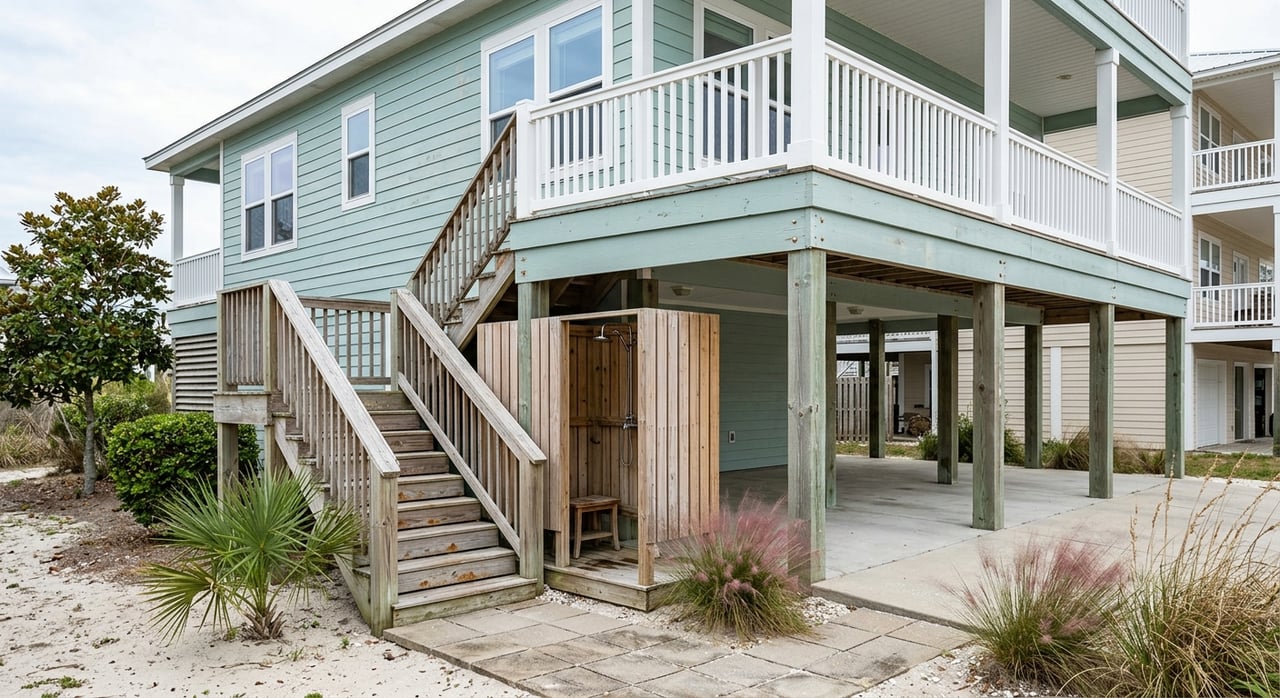
Galveston Vacation Rental Market Trends Investors Should Know
May 21, 2026
May 21, 2026
If you are looking at Galveston as a vacation rental investment, it is easy to get pulled in by beach-house photos and big summer-rate headlines. The reality is more nuanced. Galveston has real visitor demand and a strong tourism economy, but it is also a competitive, regulated market where location, seasonality, and operating discipline can shape your results. In this guide, you will learn which vacation rental trends matter most right now and how to think about them before you buy. Let’s dive in.
Galveston benefits from a large visitor economy. The Galveston Park Board reports that visitors spent $1.3 billion on the island in 2024, creating a total economic impact of $1.7 billion and supporting about one-in-three island jobs. That gives vacation rental investors a strong demand story to start with.
At the same time, the short-term rental market is crowded. AirDNA lists 6,383 properties in Galveston, while AirROI’s 2026 dataset shows 3,642 active listings. Those sources also show moderate average occupancy, ranging from 34.8% to 43%, which means citywide demand does not automatically translate into strong performance for every home.
That is why broad averages only tell part of the story. In a market like Galveston, comp selection matters just as much as market size. You need to compare properties that truly match your target home by location, size, and guest appeal.
One of the biggest trends investors should watch is the growing importance of micro-location. The City of Galveston reported 690 active STR properties as of October 1, 2025, and local rules can vary by district. In practice, that means your analysis should start at the neighborhood level, not with island-wide averages.
The West End and in-town Galveston often appeal to different guest needs. Visit Galveston describes the West End as home to much of the island’s beachfront and beachside vacation rental inventory, with a more remote setting and access to dunes, the state park, and coastal open space. Central Galveston, the East End, and downtown are more closely tied to the Seawall, Pleasure Pier, shops, restaurants, and harbor-area attractions.
AirROI’s neighborhood view supports that split. It describes the West End as a fit for family trips and group getaways, while The Strand District tends to attract visitors focused on dining, shopping, and historic character. For investors, that usually means different product types, different guest expectations, and different comp sets.
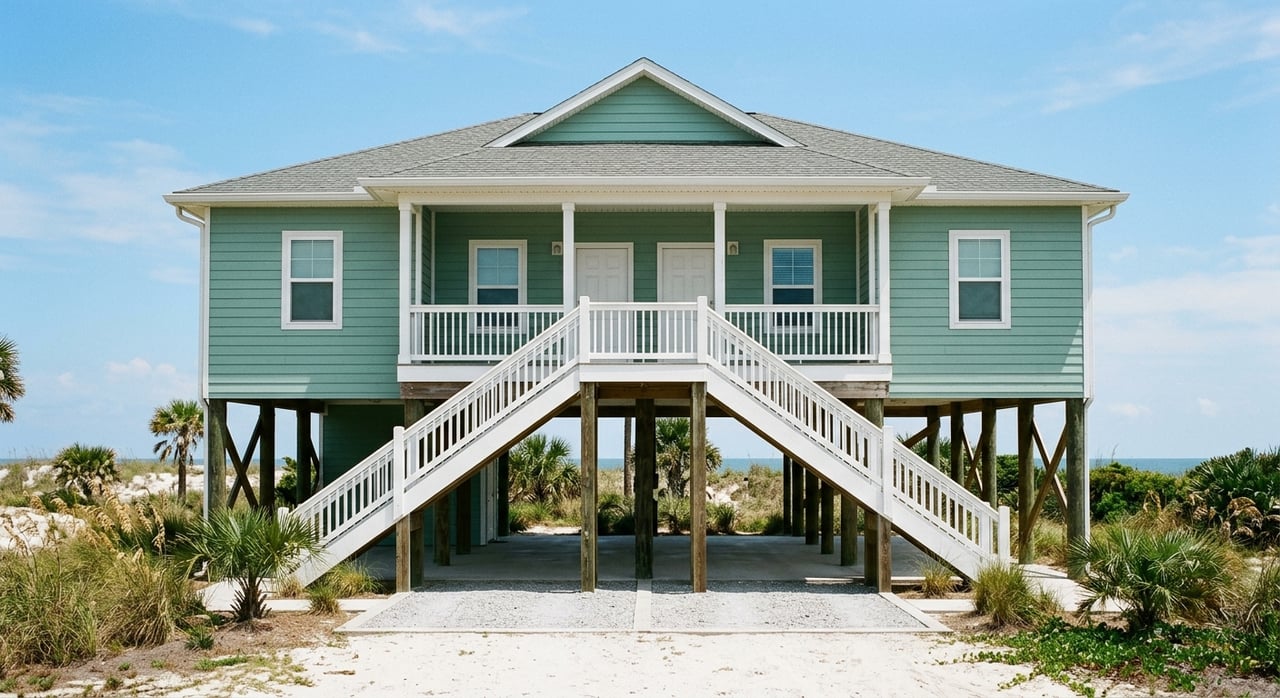
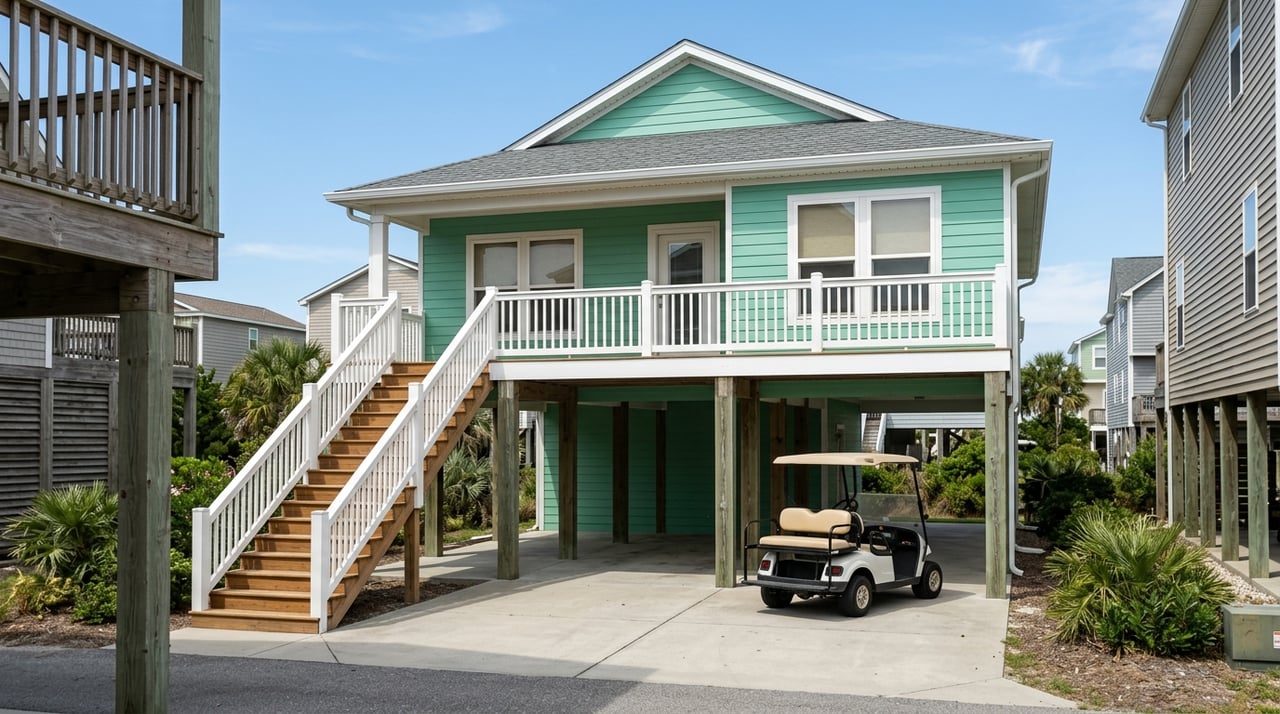
On the West End, guests may be looking for a classic beach-house setup with room for a group, outdoor living space, and easier access to quieter stretches of coast. That can make larger homes especially relevant in your comp search. If you are underwriting a beach-area house, your true competition may be a narrow slice of similar homes rather than the whole Galveston market.
In-town properties may have a different value story. Instead of winning on size alone, they may attract guests who want walkability, quick access to attractions, or a more historic setting. If you are considering an in-town buy, make sure your revenue assumptions reflect that guest profile instead of applying beach-house expectations to a different type of stay.
Seasonality remains one of the clearest Galveston vacation rental trends. AirROI identifies July as the peak revenue month, July as the peak occupancy month, and June as the peak ADR month. January is the low month.
That seasonal spread matters because annual averages can hide risk. A property that looks good on a yearly summary may still have large swings between summer and winter. If you only underwrite to an annual revenue figure, you may miss how cash flow behaves in the slower part of the year.
Older Park Board tourism research shows the same broad pattern, with online vacation rental revenue rising sharply from January into July. While that data is historical context rather than a current forecast, it supports the idea that Galveston has long been a summer-weighted market.
A smart coastal investor should not stop at annualized revenue. Instead, build a simple model that compares peak summer performance with the slower winter period. This helps you see whether the property still works when bookings soften.
At minimum, your analysis should account for:
Another important trend is how guests use Galveston rentals. AirROI reports an average booking lead time of about 44 days and an average stay length of about 3.5 nights. It also says about 98% of guests are domestic, often coming from nearby Houston.
That tells you a lot about demand behavior. Galveston appears to function largely as a regional leisure market built around short breaks, beach weekends, and family getaways. Guests are planning ahead, but not far in advance like some fly-to destination markets.
For investors, this can influence everything from furnishing decisions to pricing strategy. Homes that are easy to enjoy for a long weekend may fit local demand patterns better than properties built around a highly specialized or niche use case.
AirDNA shows that 98% of Galveston STR listings are entire homes. It also shows that 3-bedroom properties make up the largest share of supply at 28%, followed by 1-bedroom units at 25% and 2-bedroom units at 24%.
That supply mix gives you a helpful clue about the local market. Entire-home inventory dominates, which fits Galveston’s positioning as a beach and leisure destination where groups and families often travel together. If you are comparing opportunities, it is important to know whether your target property fits an established demand pattern or sits in a more crowded segment.
AirDNA also notes that two-night minimum stays are the most common setup, while 30-plus-night stays make up a meaningful share of listings. That suggests Galveston supports more than one operating style, but you still need to understand which strategy best matches your location and property type.
In Galveston, regulation should be part of your investment thesis from day one. City guidance says every short-term rental must have a unique GVR number, registrations renew annually by December 31, and the registration fee is $250. The city also notes that some neighborhoods have short-term rental restrictions and that current guidance allows STRs in every district except Restricted Residential, Single-Family, or R-0.
Recent ordinance updates add more operational pressure. The November 2025 update requires a local 24/7 contact, a one-hour response window after complaints, and a two-hour resolution target. Repeated violations can create license-revocation risk.
This is a key trend for investors to watch because it affects more than compliance. It affects how much hands-on management the property will require and whether your operating plan is realistic.
If you are comparing homes, do not treat regulation as a box to check later. Include compliance and management intensity in your numbers from the start. A property with strong revenue potential can still underperform if the operating burden is heavier than expected.
Your pre-purchase checklist should include:
Revenue is only one side of the equation. The City of Galveston levies a 9% hotel occupancy tax, and Texas imposes a 6% state hotel occupancy tax. The city also states that even when Airbnb, Vrbo, or some property managers remit taxes, owners still need to file returns.
That makes tax handling an important part of underwriting and operations. If you focus only on gross income, you can end up with an overly optimistic view of performance. Net income depends on taxes, cleaning, and the real cost of staying compliant.
One of the clearest takeaways from the current data is that Galveston is not a market where broad averages are enough. Supply has grown, with AirROI reporting 64.2% growth in active listings over the past year, even as it reports 26% revenue growth. That combination can create opportunity, but it also raises the bar for buying the right property at the right price.
In practical terms, coastal investors should focus on a few basics. Compare like-for-like comps on one platform, model July and January separately, and be realistic about taxes, cleaning, and compliance. Those details may not be as exciting as a sunset deck view, but they are often what separate a solid island investment from a frustrating one.
Galveston can still make sense for the right buyer. It has a strong visitor base, a recognizable coastal identity, and distinct submarkets that appeal to different types of guests. But in this market, success usually comes from local knowledge, careful underwriting, and choosing a property that truly matches how visitors use the island.
If you want help evaluating a West End beach house, an in-town rental candidate, or land with future potential, local context matters. Shani Atkinson can help you look beyond the headline numbers and find the property story that fits your goals.
Stay up to date on the latest real estate trends.



With deep island knowledge and a client-first mindset, Shani helps you navigate the Galveston market with confidence—delivering clarity, communication, and exceptional outcomes.